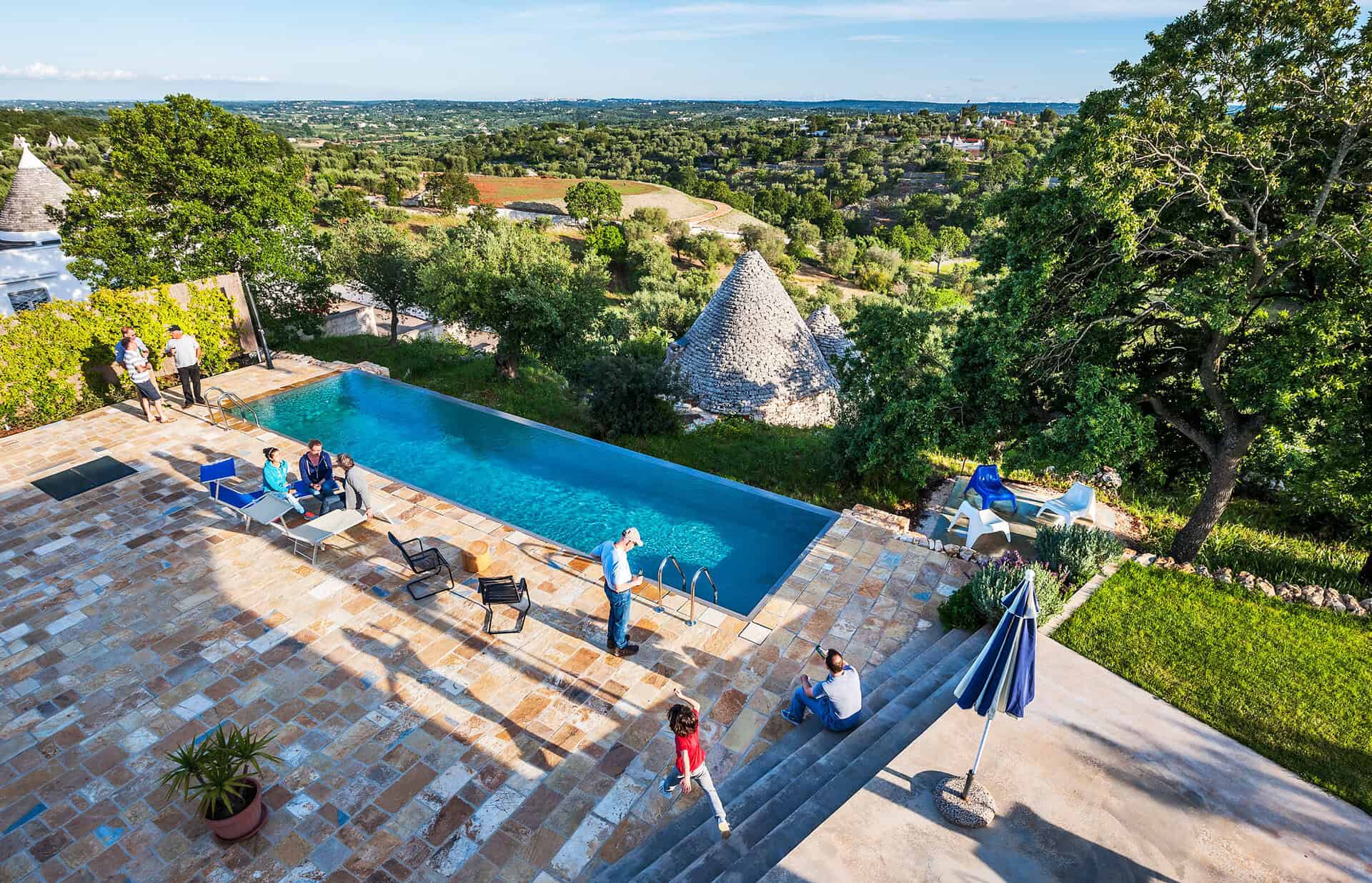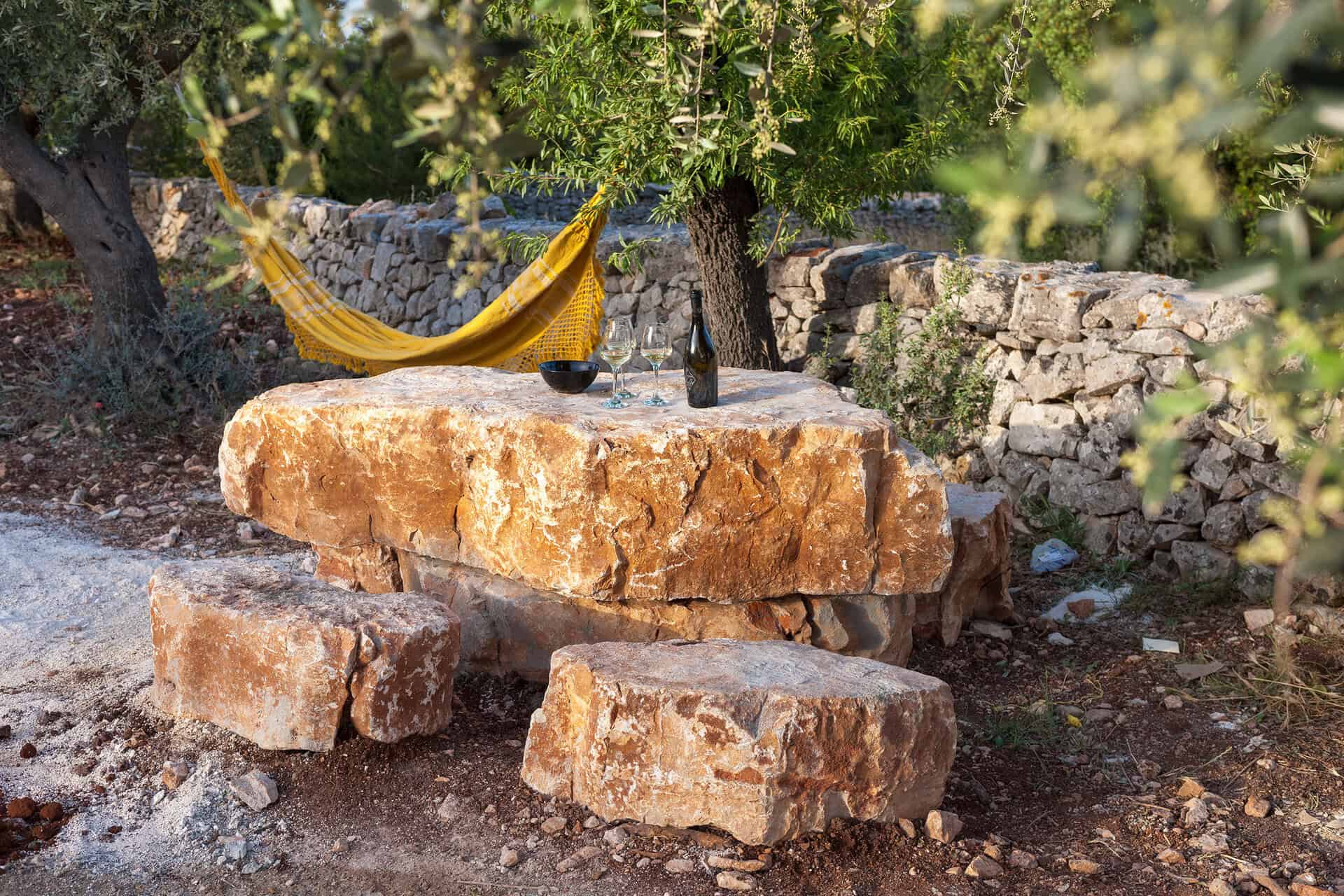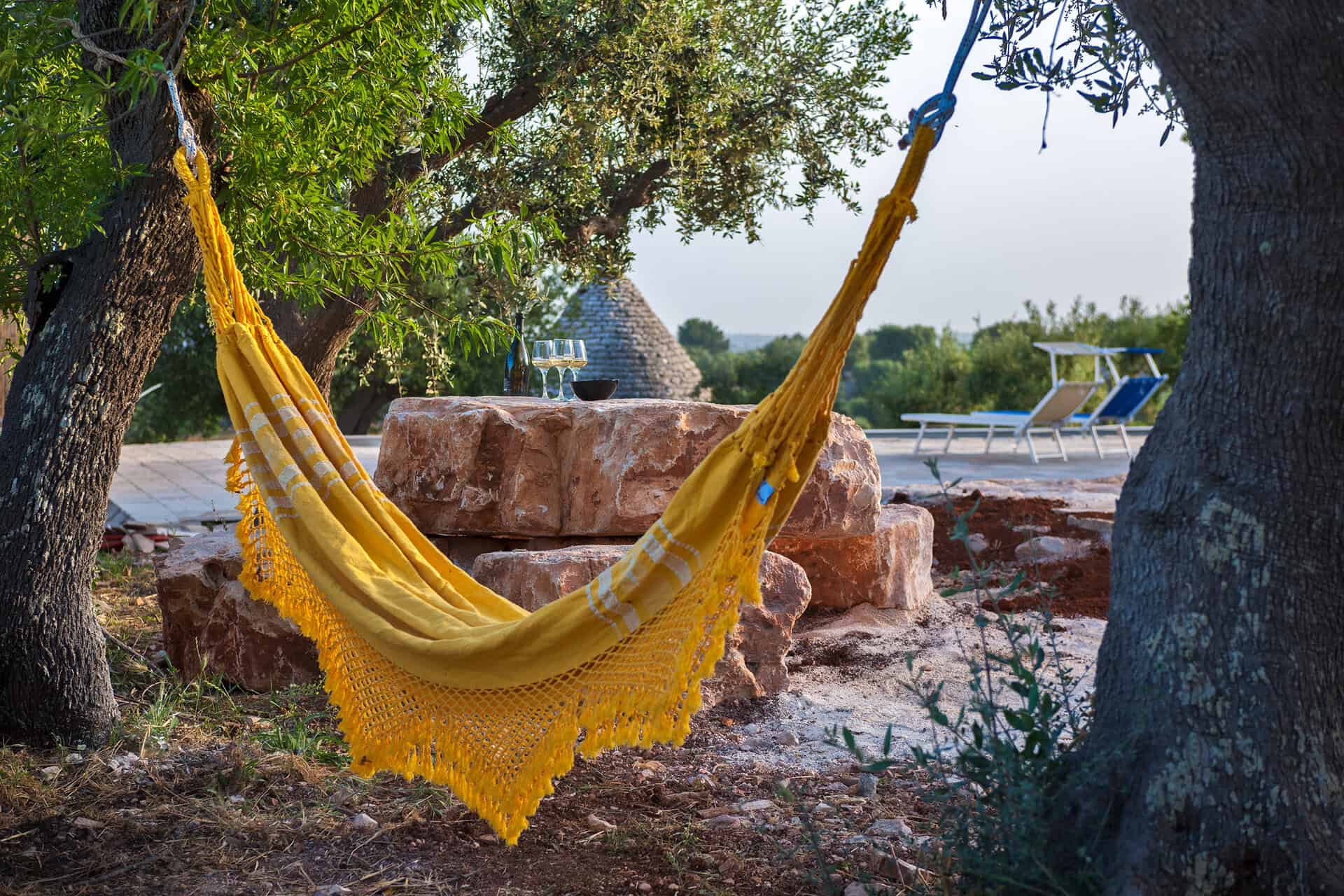
The first time we drove into Puglia at golden hour, the light felt softer, the air smelled of wild herbs, and the horizon was a gentle line of olive trees and whitewashed towns. It was in that moment we began to understand what is Puglia known for far beyond any guidebook list. This corner of Italy feels timeless, yet wonderfully alive.
Many travelers still ask what is Puglia known for and wonder why those who visit tend to return again and again, particularly as strengthening the tourism statistics shows increasing interest in authentic Italian destinations. The answer is not just one thing. It is a collection of treasures that together show the soul of Italian living better than anywhere else we know: ancient stone houses, long quiet beaches, plates of simple food that somehow taste like pure comfort, and people who treat visitors as friends.
In this article, we want to share the 12 treasures that, for us, define what Puglia is known for in the most honest way. They are not only sights to see, but experiences to feel with all the senses. From fairy‑tale trulli and Baroque churches to olive oil, wine, and sea, each one is part of a larger story. As owners of Villa Apulia in the heart of the Valle d’Itria, we live with these treasures every day, and we love helping guests discover them in a calm, thoughtful way. Read on, and by the end, it will be clear why Puglia is often called the region where Italy’s true heart still beats strongest.
Key Takeaways
- Puglia is not defined by a single symbol but by 12 treasures that explain what is Puglia known for in a deep and personal way. Together they combine ancient architecture, long coastlines, remarkable food, and warm traditions into one clear picture of Italian life.
- The region has Italy’s longest shoreline, world‑famous olive oil and wine, UNESCO sites, and whitewashed hill towns that feel almost dreamlike. These treasures sit close together, so one stay in the Valle d’Itria can include beaches, cities, forests, and quiet stone streets without long travel days.
- What Puglia is known for most of all is its authentic rhythm of life and generous people. Staying at a thoughtfully designed villa such as Villa Apulia lets guests enjoy privacy and comfort while still feeling closely linked to local culture, food producers, and small historic towns.
1. The Iconic Trulli Of Alberobello: Fairy-Tale Architecture Frozen In Time
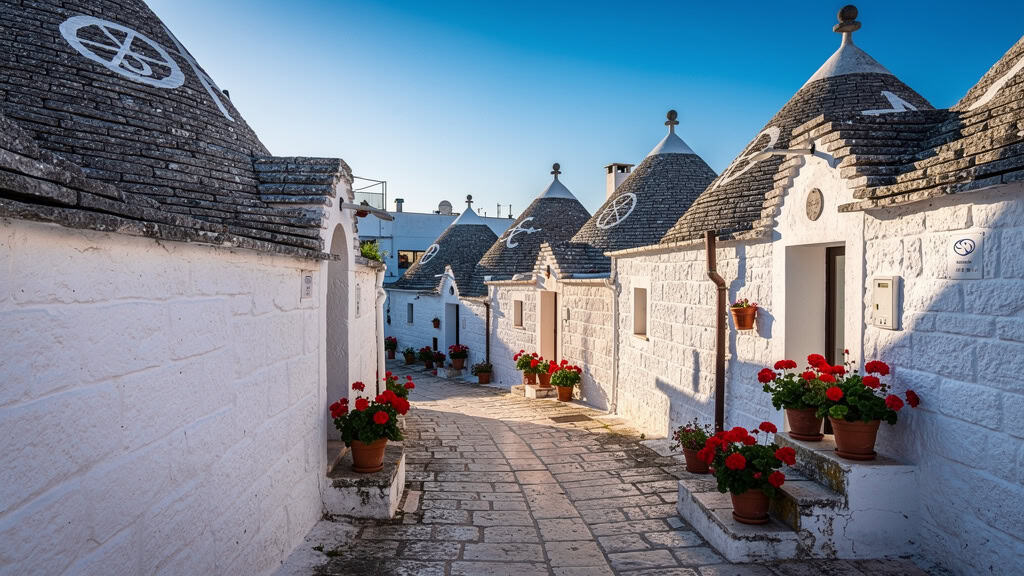
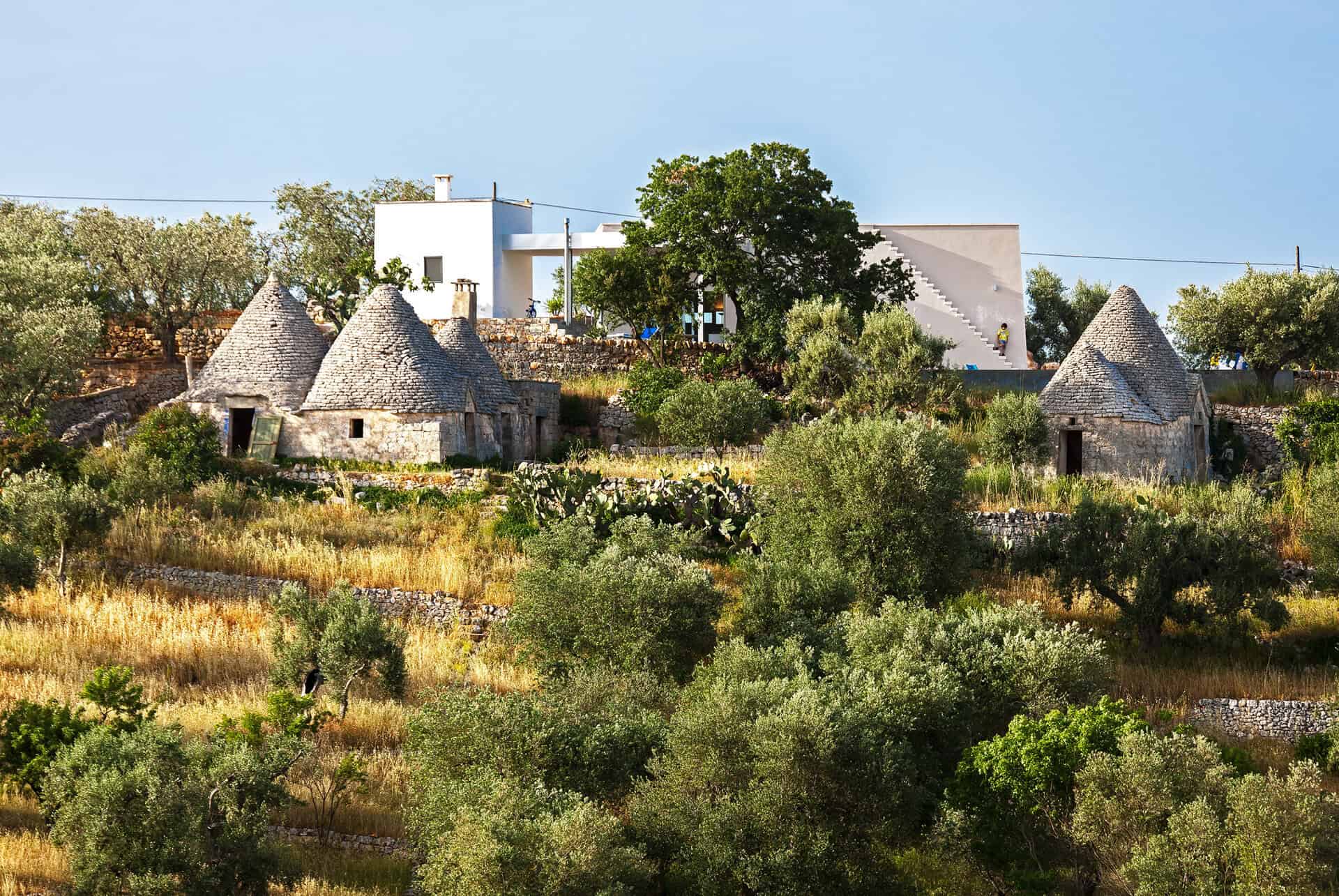
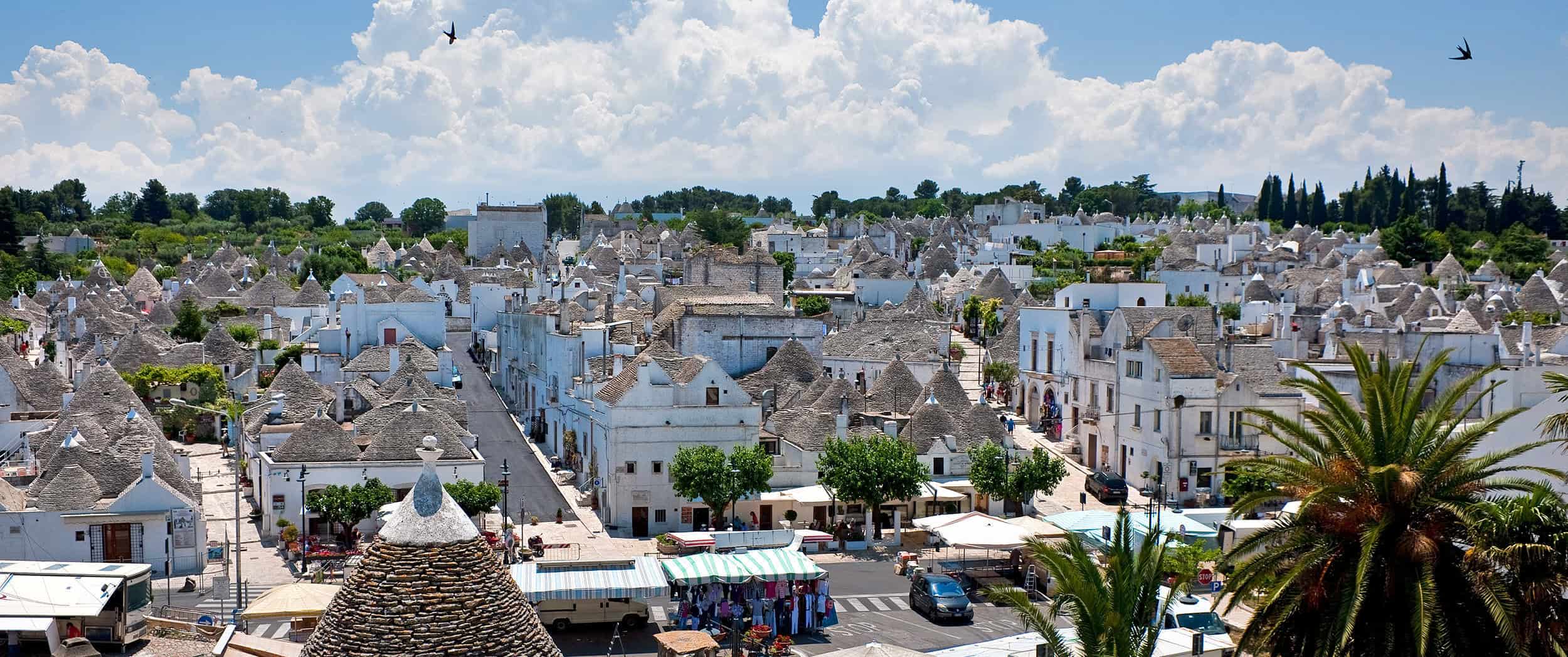
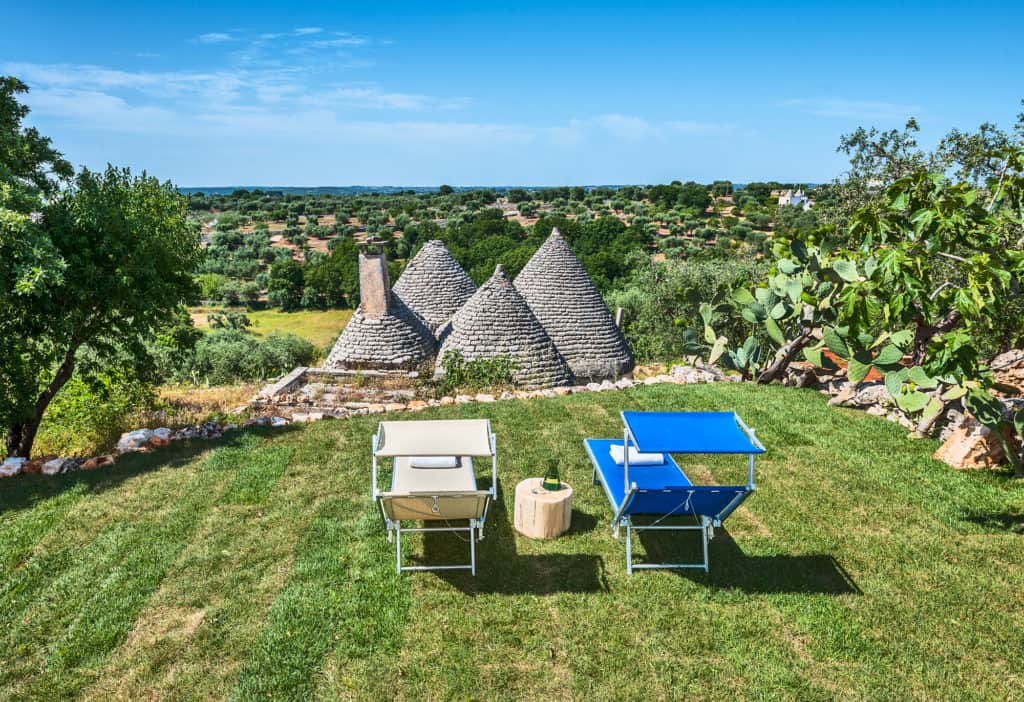
When people ask what is Puglia known for, our minds often go first to the trulli of Alberobello. These white, round stone houses with grey conical roofs look as if they came from a storybook. Walking among them in the early morning, before the crowds arrive, feels almost unreal.
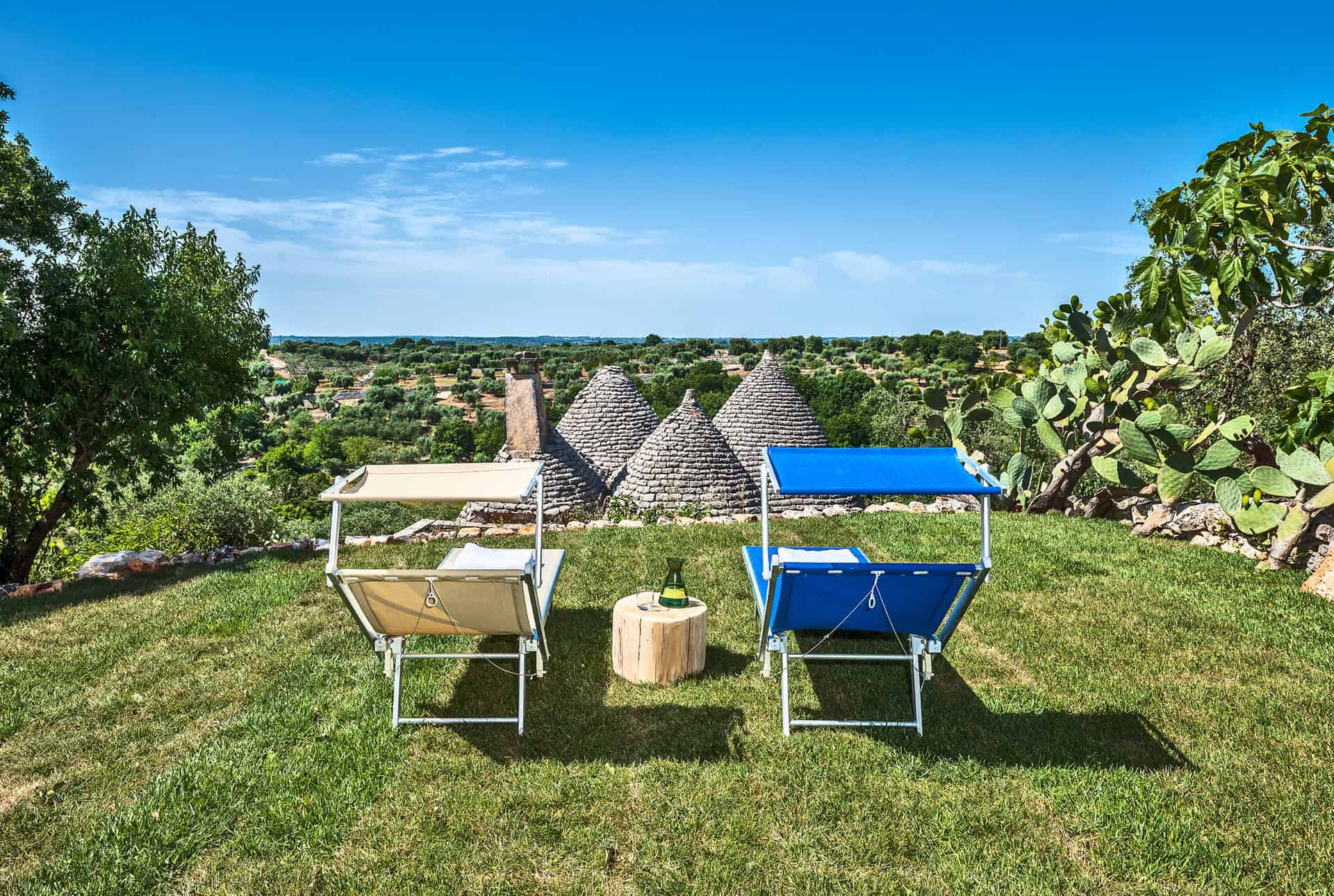
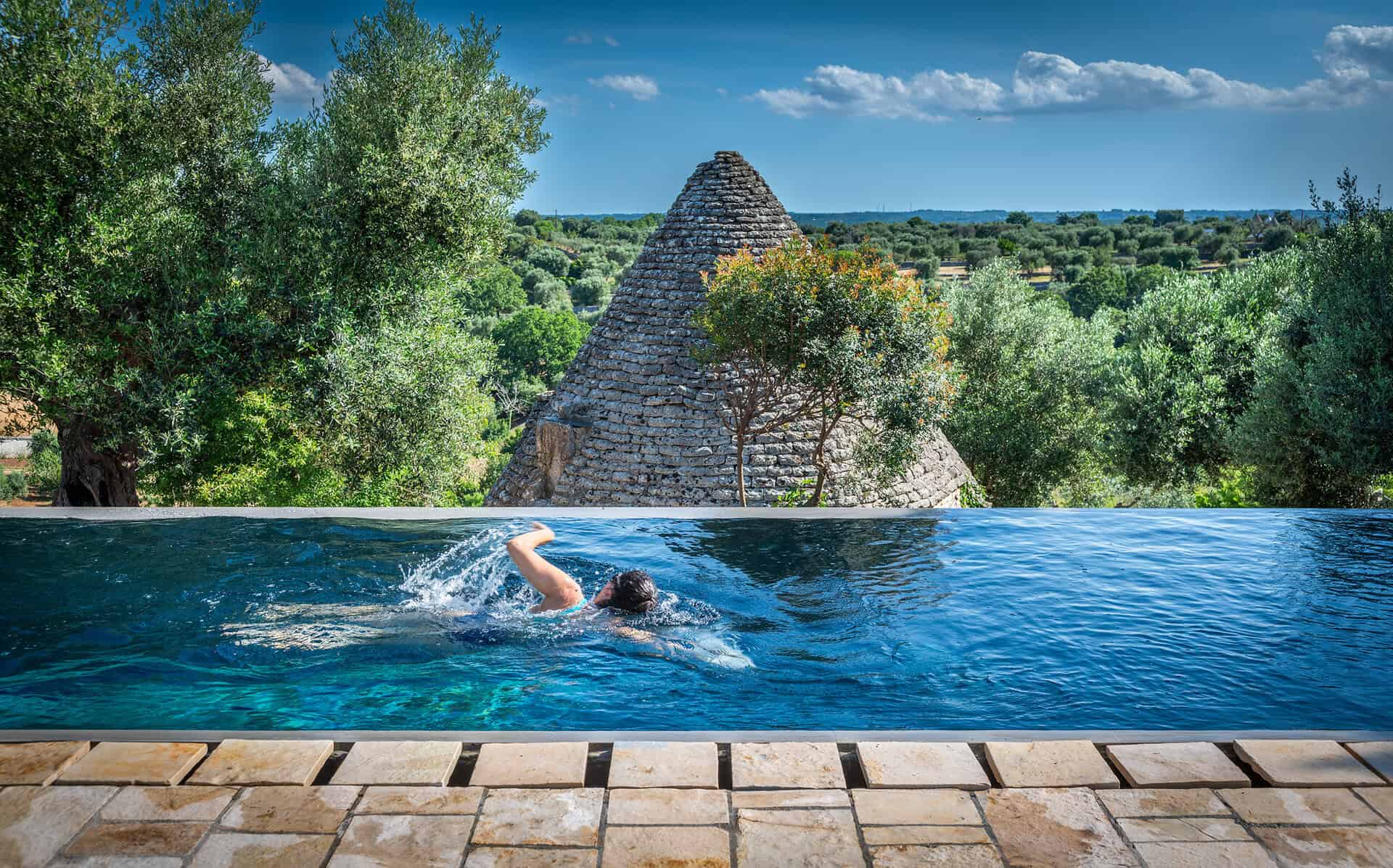
Trulli are built with a dry‑stone method, without mortar, a clever technique that once allowed families to take them down quickly to avoid harsh taxes from the Kingdom of Naples. Alberobello’s historic districts, Rione Monti and the quieter Rione Aia Piccola, are now a UNESCO World Heritage Site, with hundreds of trulli still standing. Many roofs carry painted symbols that are said to bring luck and protection.
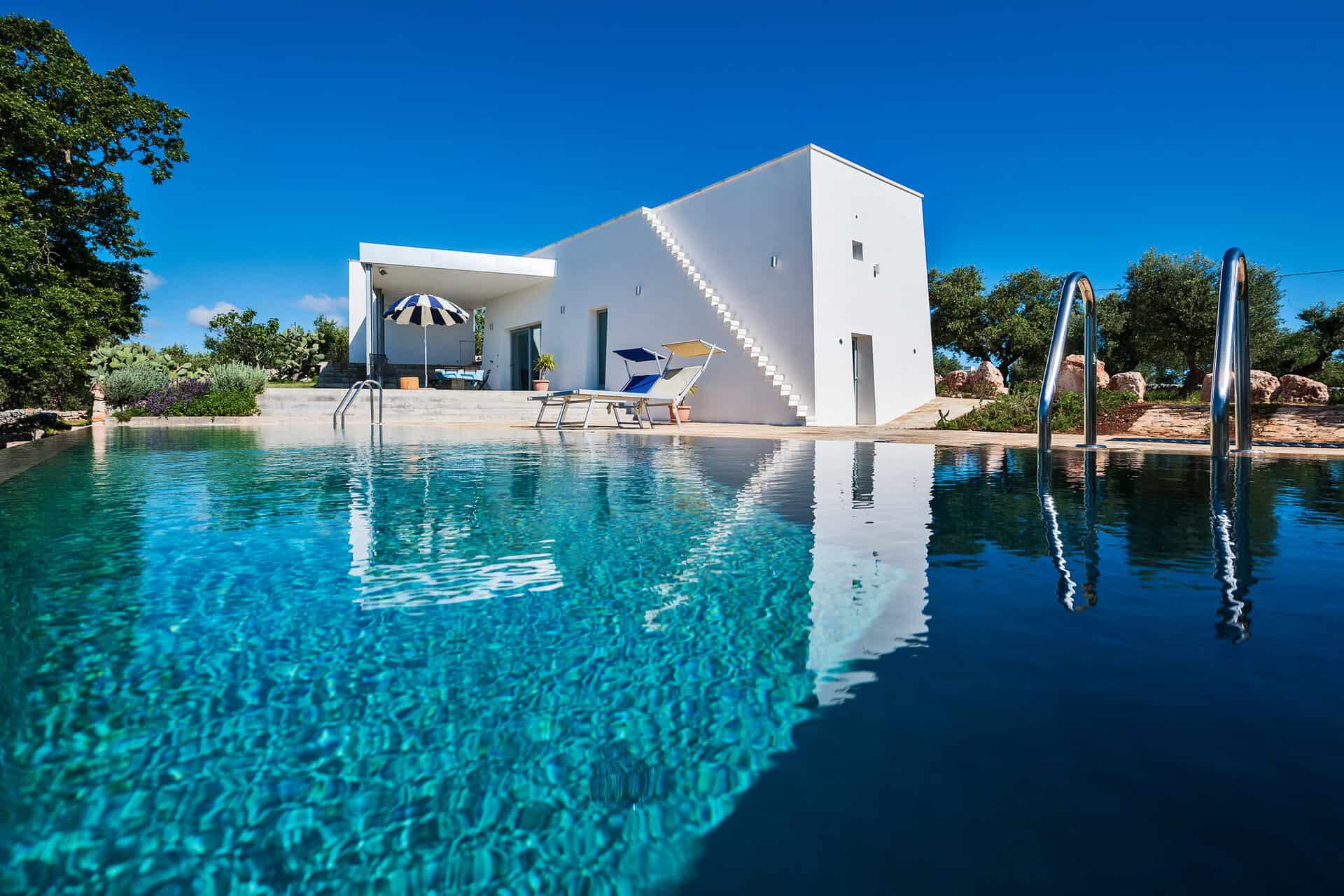
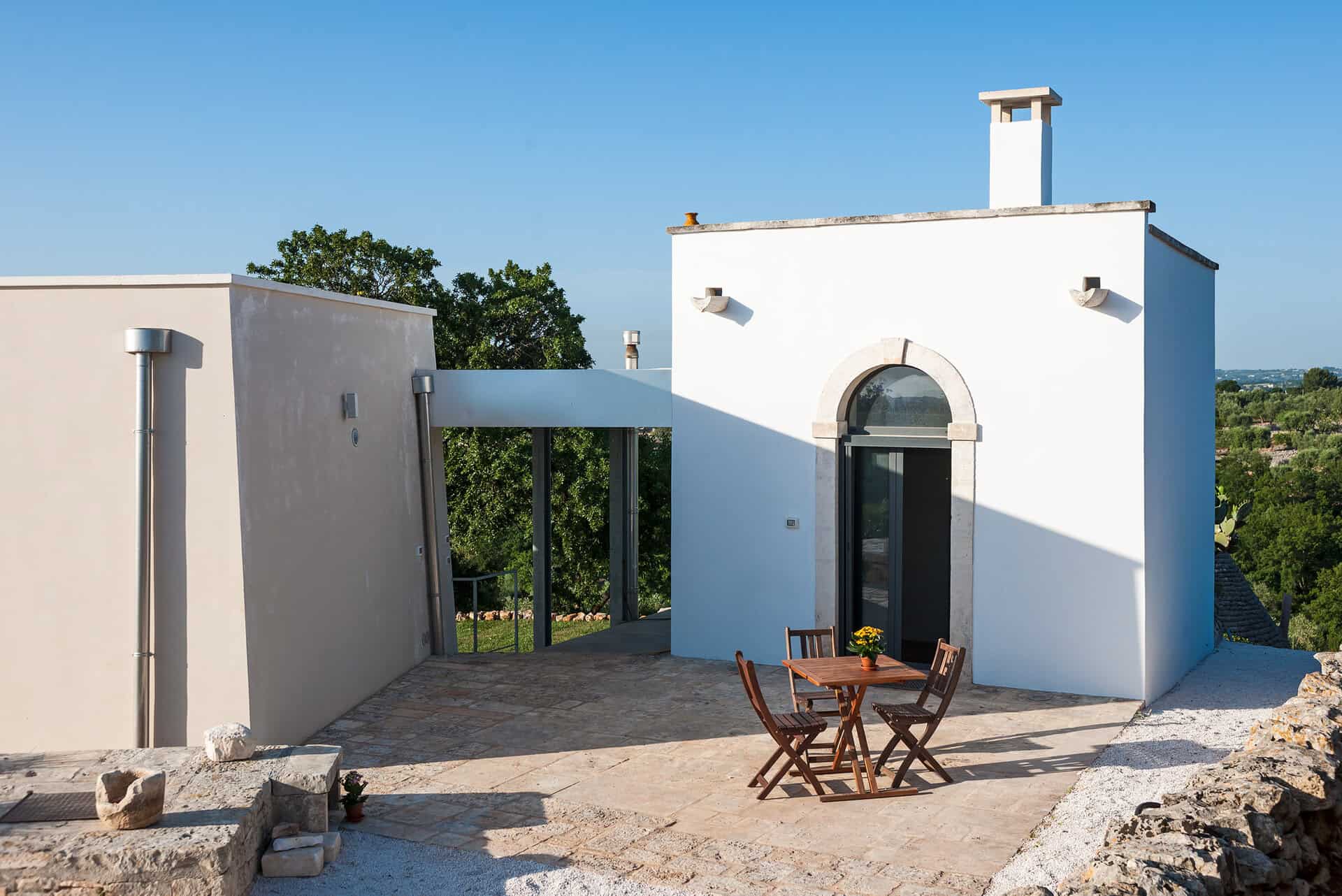
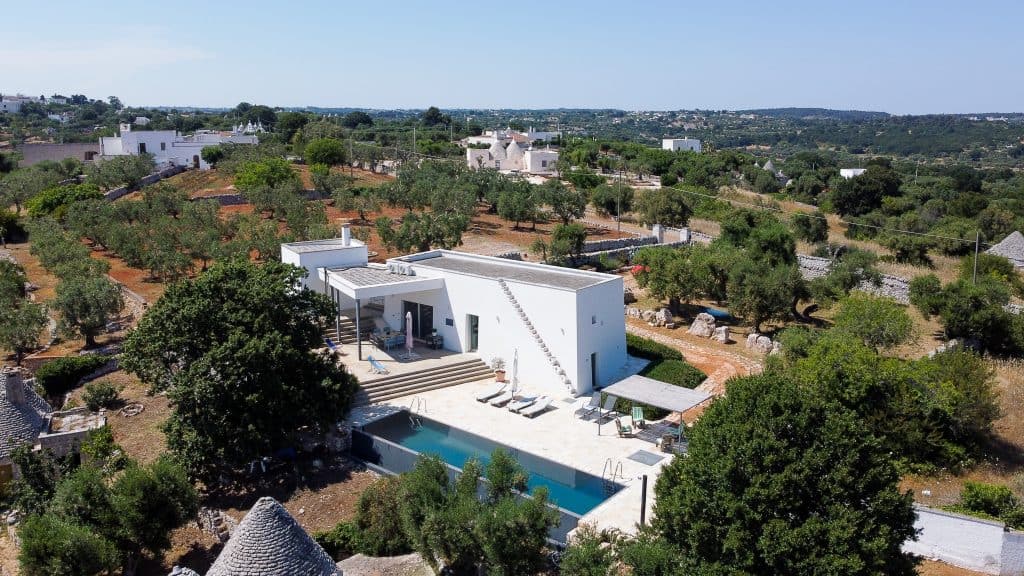
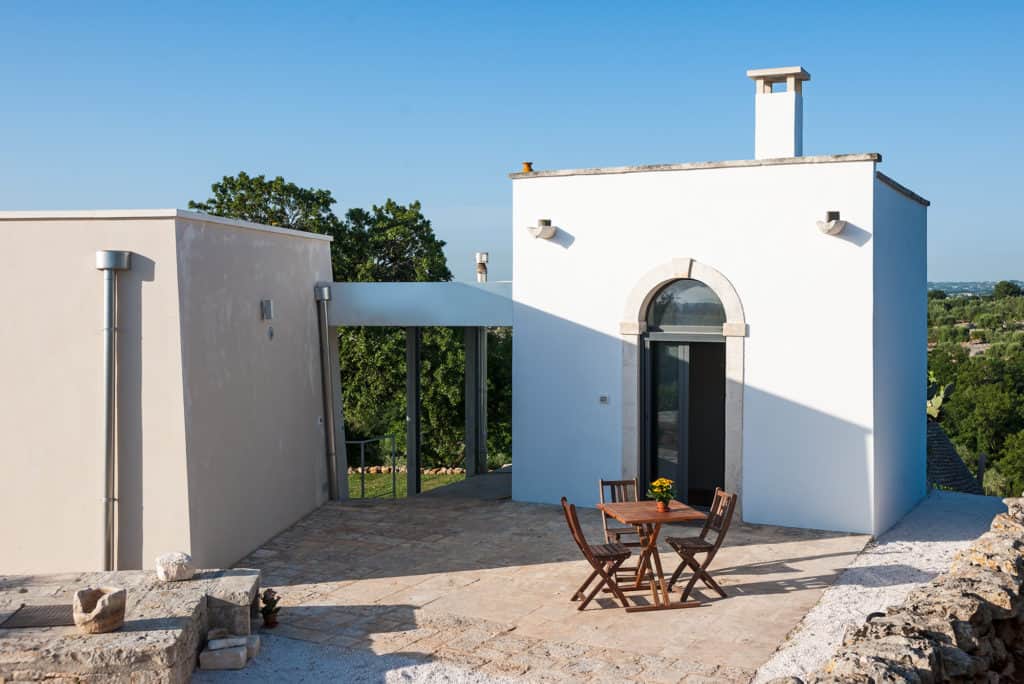
For us at Villa Apulia, these buildings are more than a pretty postcard. Their honest local stonework inspired our own villa’s award‑winning modern design, which respects the same Puglian character while offering the comfort and space travelers appreciate.
“Architecture is the learned game, correct and magnificent, of forms assembled in the light.”
— Le Corbusier
Tips for visiting Alberobello:
- Arrive early morning or late afternoon for softer light and fewer crowds
- Wander beyond the main streets into Rione Aia Piccola for a quieter atmosphere
- Combine Alberobello with nearby Cisternino or Martina Franca for a full day in the Valle d’Itria
2. Baroque Splendor: Lecce, The Florence Of The South
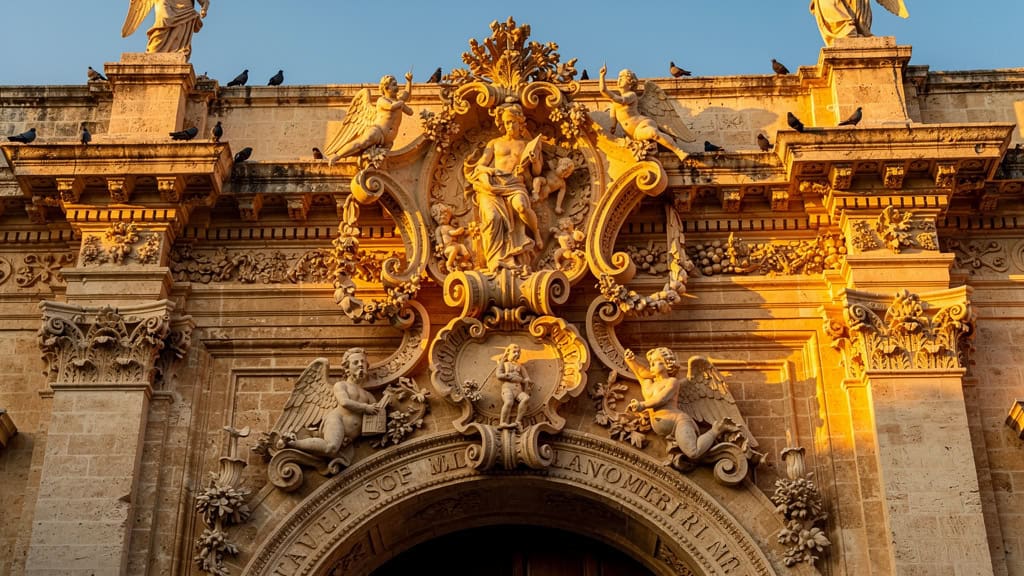
If trulli are Puglia’s fairy houses, Lecce is its open‑air sculpture gallery. When we think of what is Puglia known for among architecture lovers, Lecce and its ornate Baroque style are always near the top of the list. The city glows a soft honey color, thanks to the local pietra leccese stone.
This limestone is soft when first cut, which allowed artists to carve astonishing details into church fronts and palaces. Over time it hardens, so their work survives for centuries. Highlights include:
- Basilica di Santa Croce – full of angels, animals, and curling leaves
- Piazza del Duomo – a grand stage surrounded by elegant buildings
- Piazza Sant’Oronzo – where a Roman amphitheater peeks out from below street level
The amphitheater reminds us that Lecce’s story began long before the Baroque period. For guests who love design, Lecce shows another answer to what is Puglia known for: a constant dialogue between ancient roots and creative new forms.
3. Castel Del Monte: The Mysterious Octagonal Masterpiece
Perched alone on a gentle hill, Castel del Monte looks almost otherworldly. From a distance, its perfect eight‑sided shape stands out against the soft countryside, and we often think of it when we try to explain what is Puglia known for beyond beaches and food. This castle is a symbol of curiosity, science, and power.
Built in the thirteenth century by Emperor Frederick II, the castle blends ideas drawn from classical, Islamic, and Gothic styles. Its repeated use of the number eight in towers, floors, and rooms hints at careful mathematical and astronomical planning. No one can say with certainty why it was built. Some believe it was a hunting lodge, others imagine a place for study, or even a secret setting for alchemy. Its outline is so strong that it appears on the Italian one‑cent Euro coin.
When we visit, we are reminded that Puglia has long been a crossroads of cultures and ideas, another reason people ask what is Puglia known for with a sense of wonder.
4. Ostuni: La Città Bianca—The Dazzling White City
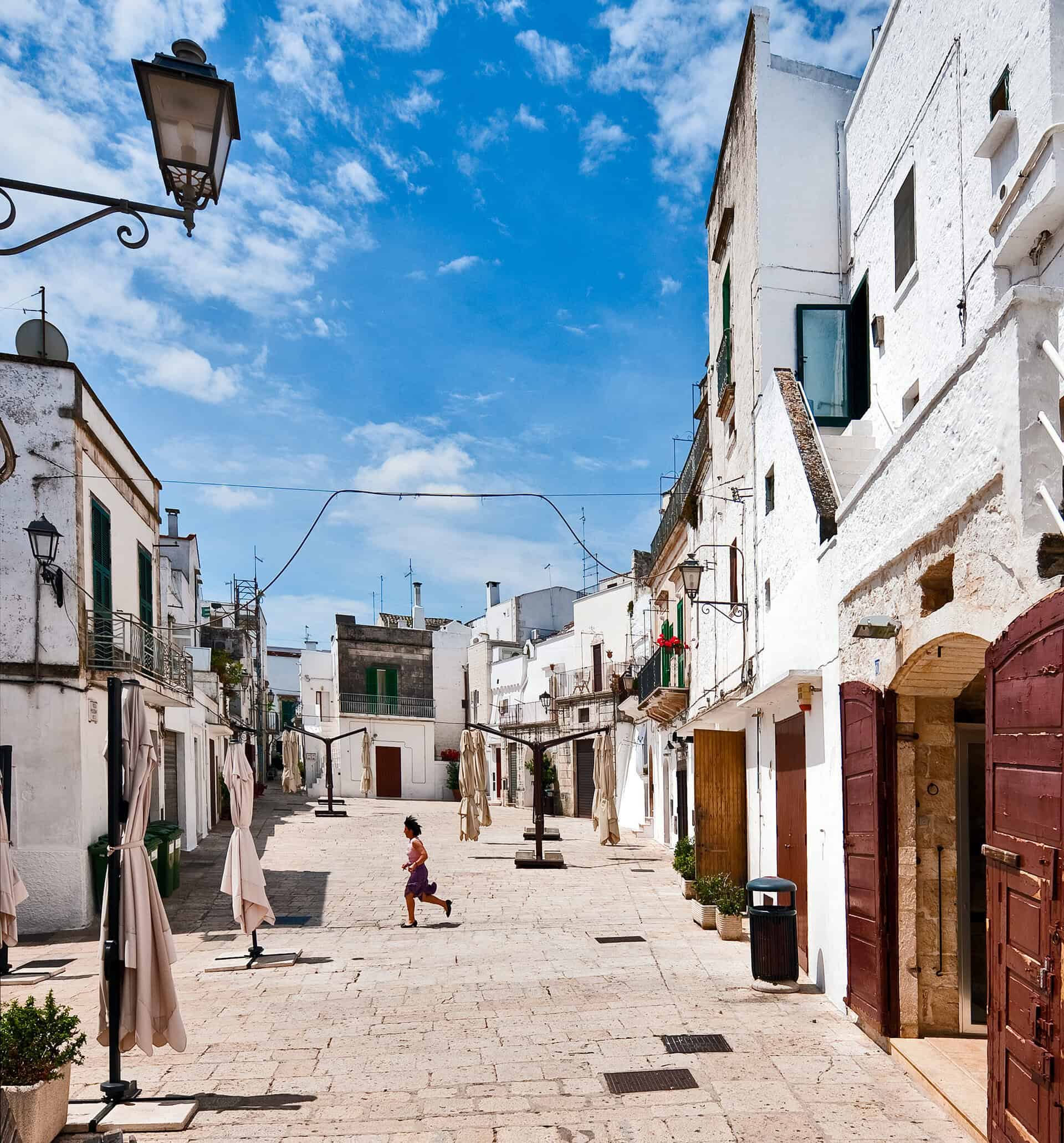
On a clear day, Ostuni rises above the olive groves like a white crown. The sun reflects off the lime‑washed houses, and even from far away it is easy to see how this “White City” has become one of the most photographed towns in southern Italy. For many of our guests, it is the first town that makes them feel they truly understand what is Puglia known for.
Inside the walls, streets twist and climb toward the fifteenth‑century cathedral at the highest point. Along the way, small arches, tiny piazzas, and flower‑filled corners invite slow wandering. From the terraces, the view stretches across silver‑green olive trees to the bright strip of sea.
Ostuni sits in the heart of the Valle d’Itria, the same valley where Villa Apulia rests among its own olive trees. Staying with us, guests can reach Ostuni in a short drive for evening strolls and dinner, then return to complete peace under the stars.
5. Liquid Gold: Puglia’s Ancient Olive Groves And World-Class Oil
If we had to choose one simple answer to what is Puglia known for in everyday life, it would be olive oil. Puglia produces more than forty percent of all Italian olive oil, around three hundred thousand tonnes every year. The region is carpeted with groves, some filled with trees older than many countries.
These ancient olive trees have twisted trunks and huge roots, shaped by time and wind. The warm climate and mineral‑rich soil help them give rich, flavorful fruit. The oil they produce is at the heart of Puglian cooking, poured generously over bread, vegetables, and pasta. Good Puglian oil often has a clean, peppery finish that lingers on the tongue.
From Villa Apulia, we love sending guests to nearby producers, where they can:
- Walk between centuries‑old trees
- Watch the olives being pressed during harvest season
- Taste oil so fresh it almost glows, often with simple bread and tomatoes
Visiting a small family mill during the harvest is one of the most direct ways to feel what Puglia is known for in daily life.
6. The Breadbasket Of Italy: Orecchiette, Focaccia, And Cucina Povera
Puglia is often called the breadbasket of Italy, and for good reason. Fields of durum wheat cover much of the region, and from this grain come many of the foods that define what is Puglia known for at the table. At its heart is the simple idea of cucina povera, peasant cooking that uses humble ingredients with care and skill.
Some of the most beloved dishes include:
- Orecchiette – little ear‑shaped pasta, traditionally shaped by hand with a small knife and thumb. Each piece has a slightly rough surface that holds sauce perfectly. Classic versions include
- orecchiette with bitter broccoli rabe, garlic, and chili
- orecchiette with slow‑cooked tomato sauce and plenty of grated cheese
- Focaccia Barese – a soft bread baked with cherry tomatoes, olives, and plenty of good olive oil. It is perfect as a snack or light lunch.
- Puccia – a round sandwich made from pizza‑like dough and filled with cured meats, cheese, and grilled vegetables.
As many Italians like to say, “A tavola non si invecchia” — at the table, no one grows old.
When guests stay at Villa Apulia, we often suggest local bakeries, markets, and family trattorias where they can taste this honest cooking and feel another side of what Puglia is known for: simple food that stays in the memory.
7. Burrata And Fresh Seafood: The Taste Of Puglian Abundance
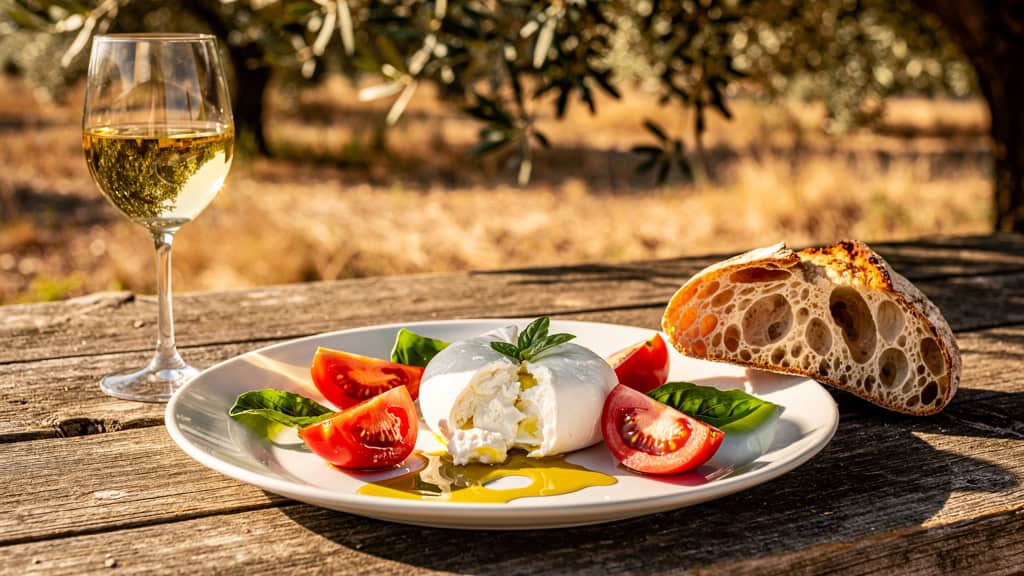
Ask a food lover what is Puglia known for, and burrata will almost always appear in the first breath. This indulgent cheese was born here. On the outside it resembles fresh mozzarella, but the real magic hides inside, where cream and soft strands of cheese form a rich, flowing center. When cut, it spills gently over the plate, perfect with just‑ripe tomatoes and a drizzle of olive oil.
Thanks to its long coastline along two seas, Puglia is also a paradise for seafood. Daily catches shape menus in coastal towns, with dishes such as:
- Grilled octopus with lemon and herbs
- Mussels served in fragrant broths or baked with breadcrumbs
- Raw sea urchins eaten straight from the shell
- Tiella – a baked mix of rice, potatoes, and mussels that feels both simple and special
From Villa Apulia, guests can spend a morning at the beach, then sit at a small harbor restaurant where the fish on their plate may have been in the water only hours before.
8. Bold Reds And Crisp Rosés: The Celebrated Wines Of Puglia
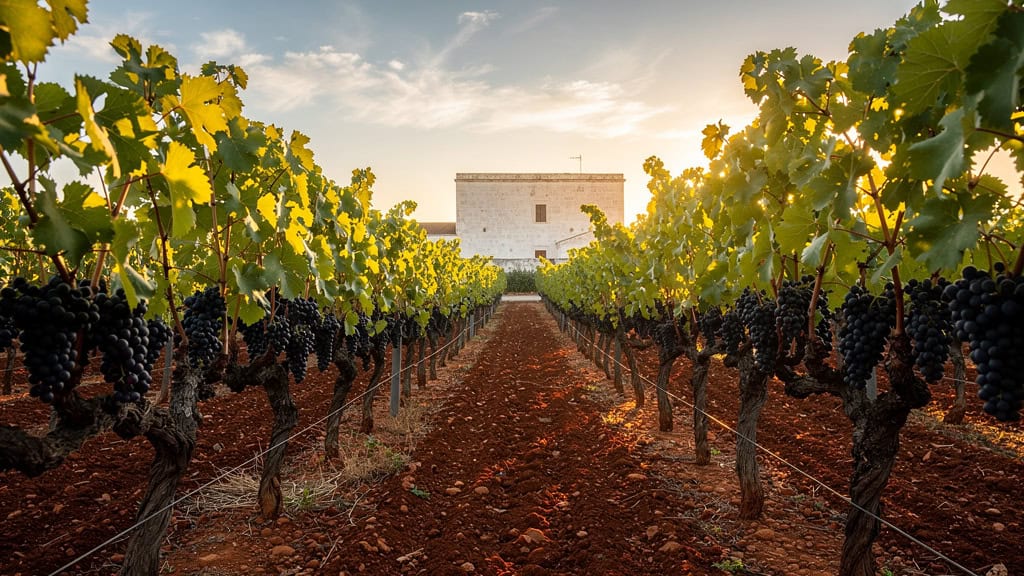
Wine is another clear part of what Puglia is known for, though for many years the region was famous more for quantity than quality. Today, that has changed. Winemakers now focus strongly on native grapes, and the results are some of Italy’s most characterful reds and refreshing rosés.
Key local wines include:
- Primitivo di Manduria – a deep, full‑bodied red with warm notes of dark cherry, plum, and gentle spice
- Negroamaro – often used in wines such as Salice Salentino, with flavors of black fruit and a slightly earthy edge that pairs beautifully with grilled meats and aged cheeses
- Rosato wines – dry rosés that seem made for sunny afternoons and long seaside lunches
“Wine is bottled poetry.”
— Robert Louis Stevenson
Staying at Villa Apulia in the Valle d’Itria, our guests are surrounded by vineyards. Many small estates welcome visitors for relaxed tastings and dinners, where glasses of local wine help answer in a very pleasant way what Puglia is known for.
9. Italy’s Longest Coastline: 800 Kilometers Of Pristine Beaches
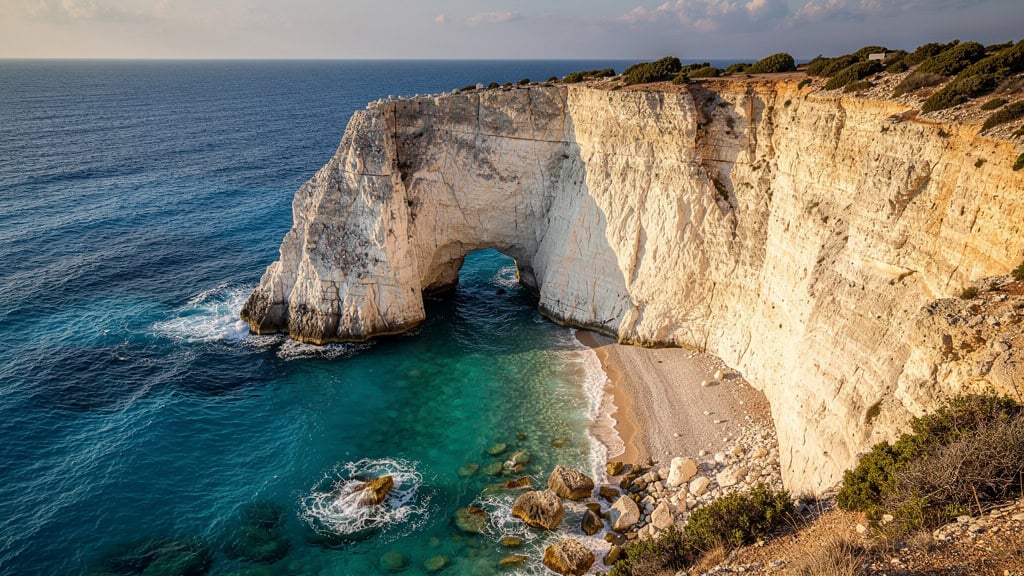
When friends ask us what is Puglia known for among beach lovers, we talk about its long shoreline. Puglia has more coastline than any other region on the Italian mainland, around eight hundred kilometers in total. Even better, it is washed by two seas, the Adriatic to the east and the Ionian to the south.
This gives an impressive range of seaside settings, from high cliffs and hidden rocky coves to endless strips of pale sand. Some places feel lively, with beach clubs and music, while others are quiet even in the warmer months. From our base at Villa Apulia in the Valle d’Itria, guests can reach both coasts in under an hour, which makes it easy to match each day to the weather and mood.
Adriatic Coast Highlights
The Adriatic coast is the more dramatic, with limestone cliffs that fall straight into clear blue water. Some favorite stops include:
- Polignano a Mare – a dramatic town clinging to the cliffs, with the pebble beach of Lama Monachile tucked between stone walls and a bridge above
- Baia dei Turchi near Otranto – bright, shallow water framed by pine woods and low scrub
- The Gargano headland – sea caves and old wooden fishing platforms called trabucchi add a sense of history to every boat trip
Ionian Coast Highlights
The Ionian coast is softer and shallower, which many families love:
- Around Pescoluse, often called the Maldives of Salento, the sand is fine and pale, and the sea stays shallow far from shore
- Near Santa Maria di Leuca, at the far tip of the heel, the Adriatic and Ionian meet in a dance of colors and currents
From Villa Apulia, we often suggest guests try both coasts during their stay, since this mix of gentle and dramatic shores is a key part of what Puglia is known for.
10. Bari: Where Pilgrimage Meets Port City Vitality
Bari is Puglia’s busy capital and an important Adriatic port, yet its old heart still feels deeply traditional. When we talk with guests about what Puglia is known for in terms of city life, Bari often surprises them. It combines sacred history, daily routines, and seafront energy in a very natural way.
In Bari Vecchia, the historic center, narrow streets twist between stone houses. In the afternoons, it is easy to see women sitting outside their doors shaping orecchiette by hand on wooden boards. The Basilica di San Nicola draws pilgrims from around the world to visit the relics of Saint Nicholas, the bishop who inspired the figure of Santa Claus. Nearby, the Bari Cathedral rises over the remains of an older church from Byzantine times.
At Piazza del Ferrarese, the city opens toward the sea, where locals stroll in the evening light. For many travelers, Bari becomes both an entry point and a living answer to what Puglia is known for: a region where faith, family, and simple daily pleasures still guide the rhythm of life.
11. Natural Wonders: From Foresta Umbra To The Devil’s Cave
Puglia is famous for its towns and coasts, but its natural side reaches far inland as well. When we try to describe what Puglia is known for beyond the sea, we always think of Gargano National Park and the forests that cover its hills. This area forms the “spur” of Italy’s boot and feels wild and ancient.
At the heart of it lies the Foresta Umbra, the Forest of Shadows, one of Italy’s last true old‑growth woodlands. Tall oak and beech trees create deep shade, and some were already standing when the poet Horace wrote about them more than two thousand years ago. The area is perfect for hiking, cycling, or a slow evening passeggiata after a hearty lunch.
Further south, at Santa Maria di Leuca, the land narrows to a point where the Adriatic and Ionian seas meet under a tall lighthouse, the second highest in Italy. Nearby, the Monumental Waterfall marks the end of the Apulian Aqueduct, and caves such as the Grotta del Diavolo (Devil’s Cave) add whispers of legend.
From our calm setting in the Valle d’Itria at Villa Apulia, we often suggest combining days in nature with days by the pool, so guests can feel both sides of what Puglia is known for.
12. Living Traditions: Festivals, Music, And Warm Puglian Hospitality
For us, the deepest answer to what is Puglia known for is not a place or a dish, but its people. Traditions here are not museum pieces. They are part of daily life, from music and dance to religious celebrations and family crafts.
Key examples include:
- La Notte della Taranta – each summer, this festival fills the Salento area with music centered around the pizzica, a fast, rhythmic folk dance once linked to healing rituals
- The Feast of Saint Nicholas in Bari – processions on land and sea, fireworks, and a strong sense of shared devotion, often featured in the dossier on Italy‘s cultural heritage
- Everyday craftsmanship – stone carvers, ceramic artists, cheesemakers, and winemakers continue skills passed down through many generations
Meals in family trattorias are often prepared by the same hands that have cooked in that kitchen for decades. At Villa Apulia, we try to reflect this spirit with our own hospitality. As an owner‑designed and owner‑run villa, we welcome guests in a personal way and happily share contacts for local guides, artisans, and small producers. In this way, a stay with us becomes more than a holiday. It becomes a gentle immersion into the warm heart that makes Puglia so special.
Experiencing Puglia’s Treasures From The Heart Of Valle D’Itria
All these treasures become even richer when they connect to each other from a single, thoughtful base. For us, that base is the Valle d’Itria, often called the green heart of Puglia. When we think about what Puglia is known for as a whole region, this valley brings many answers together: trulli, whitewashed towns, olive groves, and close access to both seas.
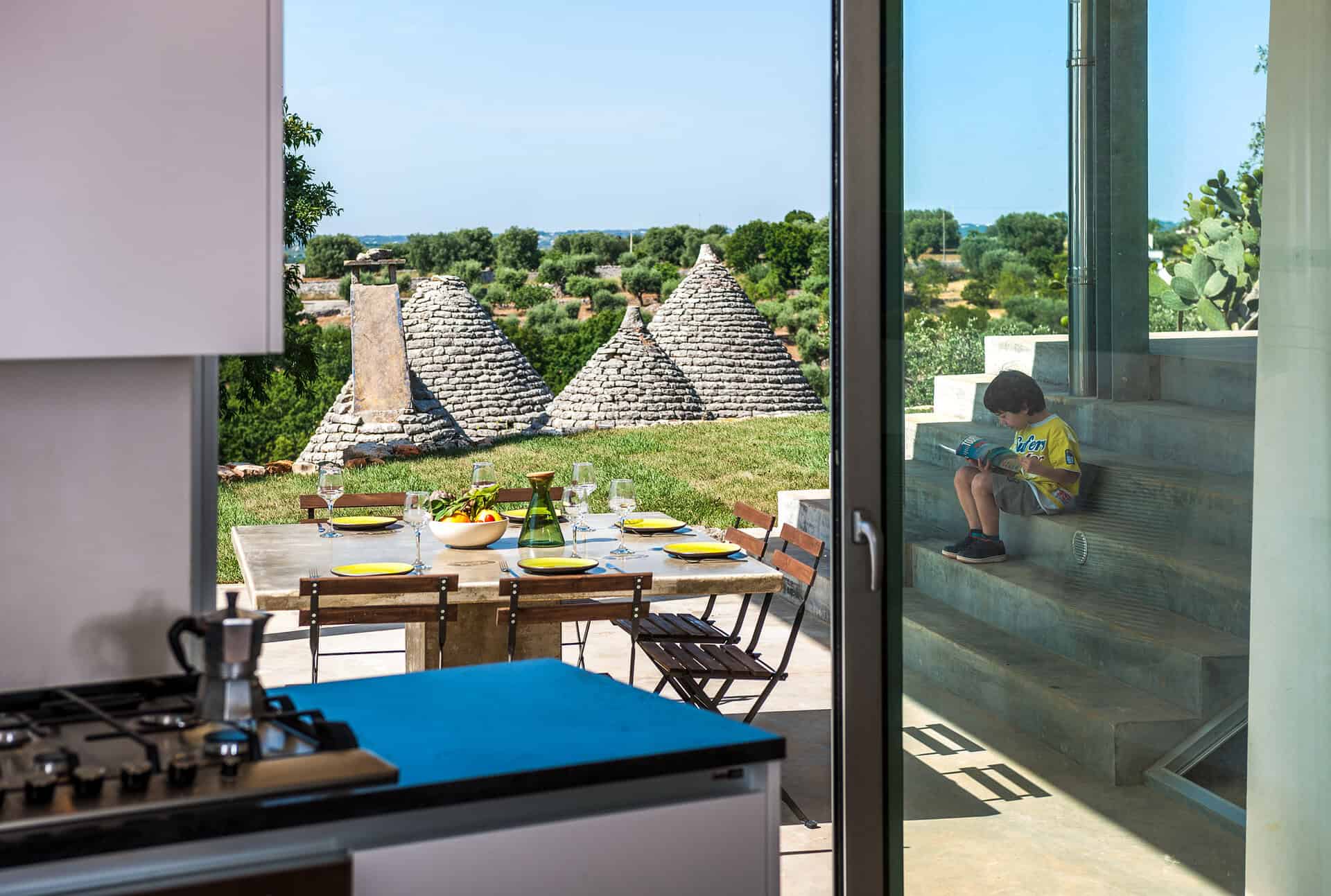
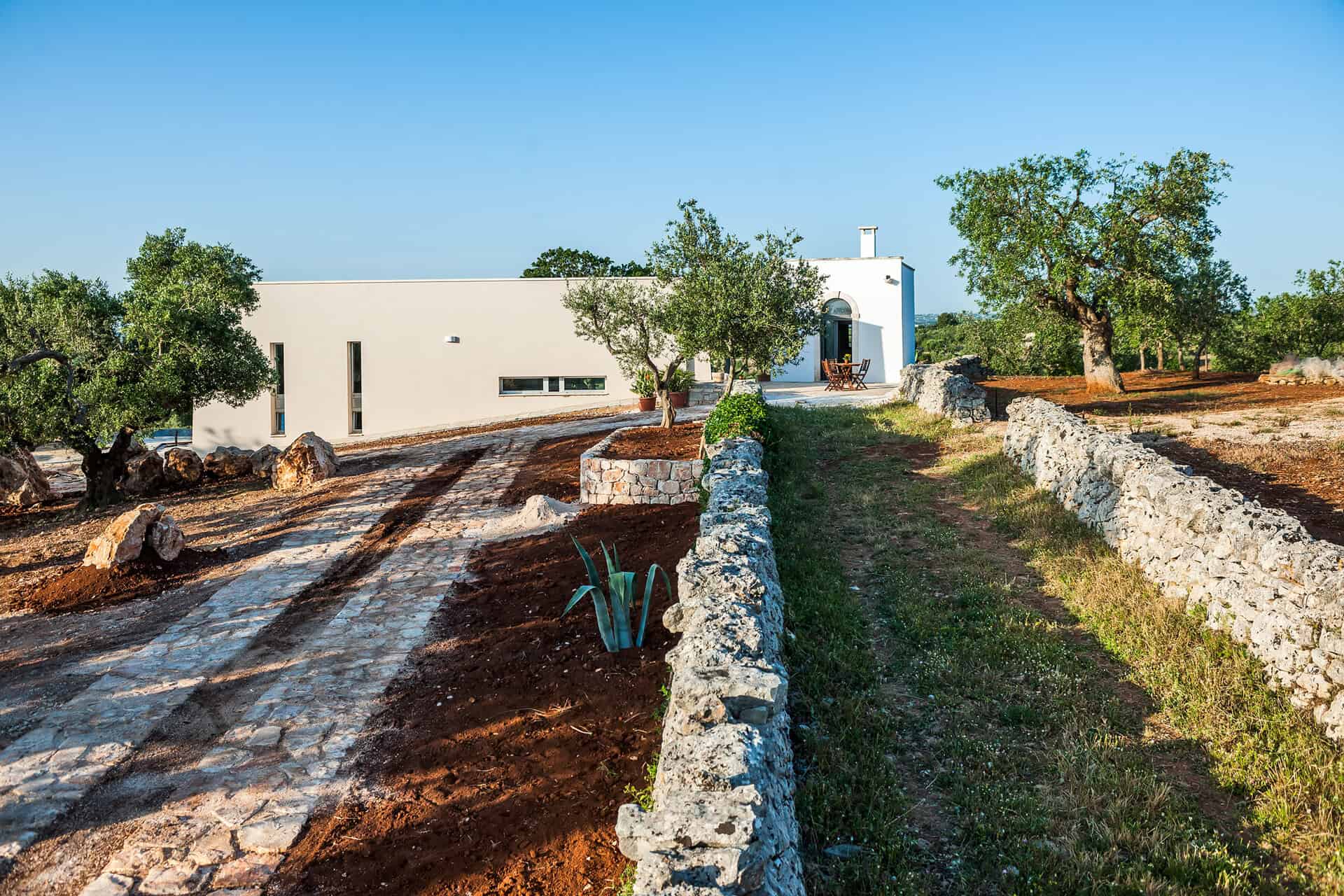
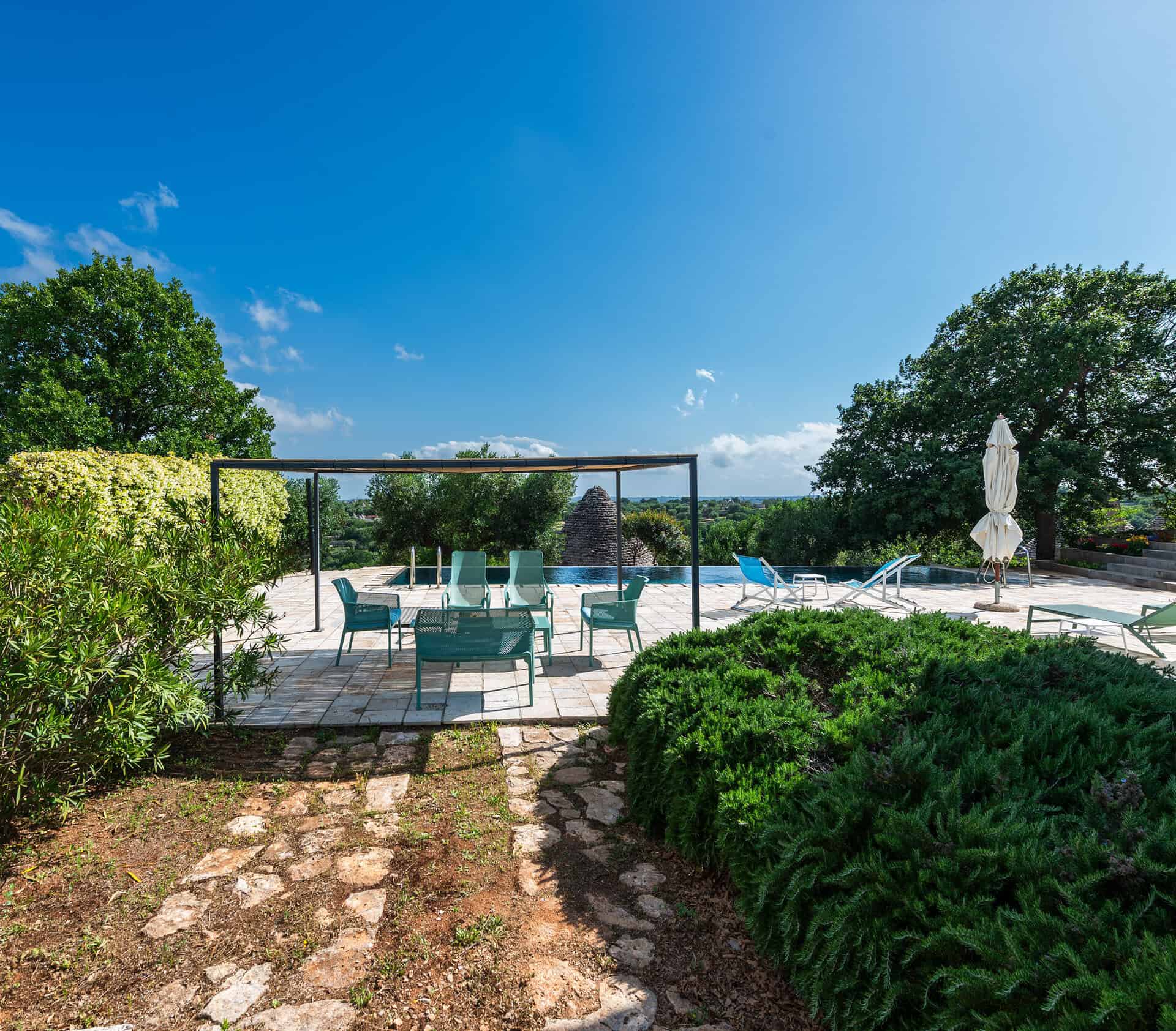
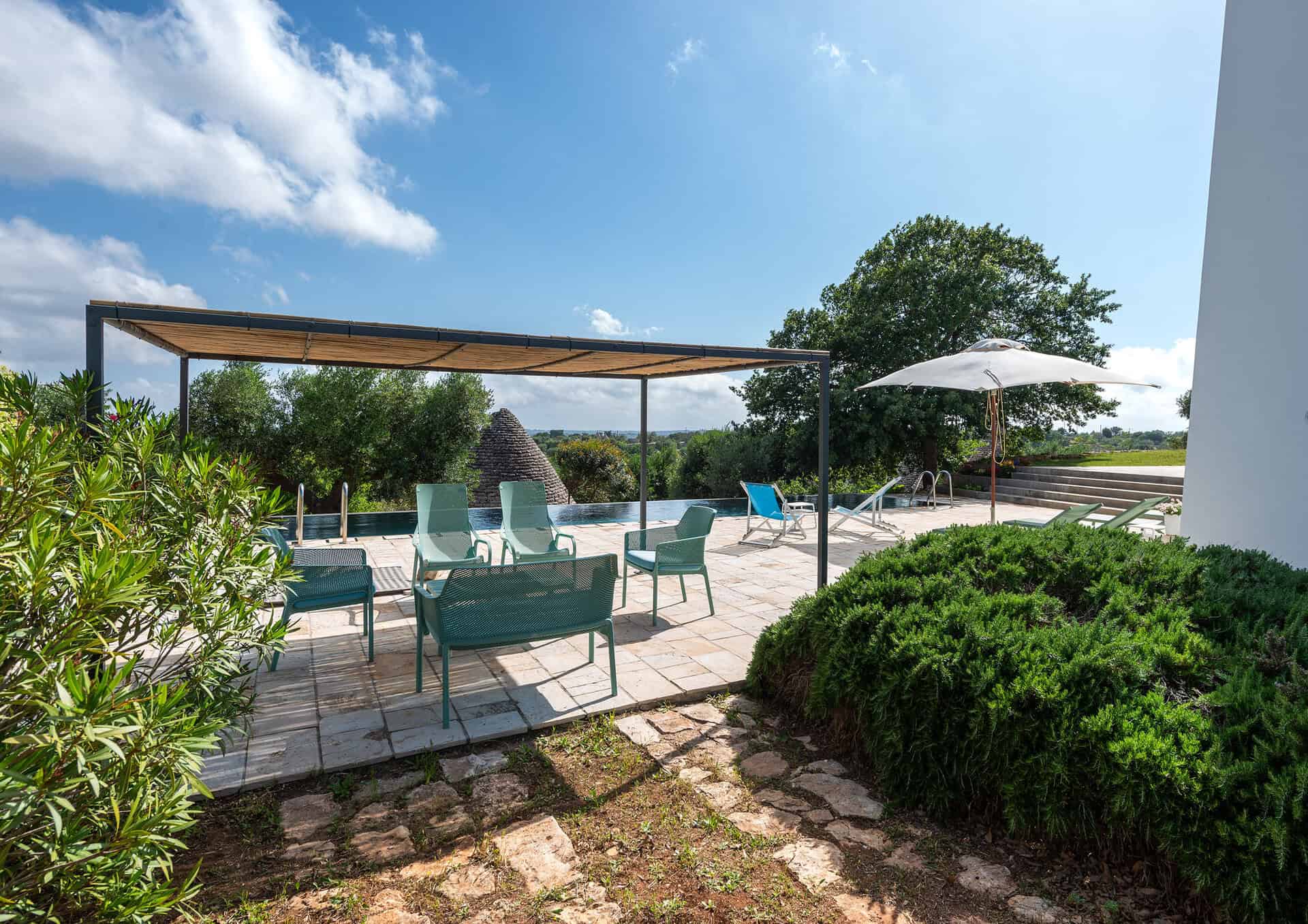
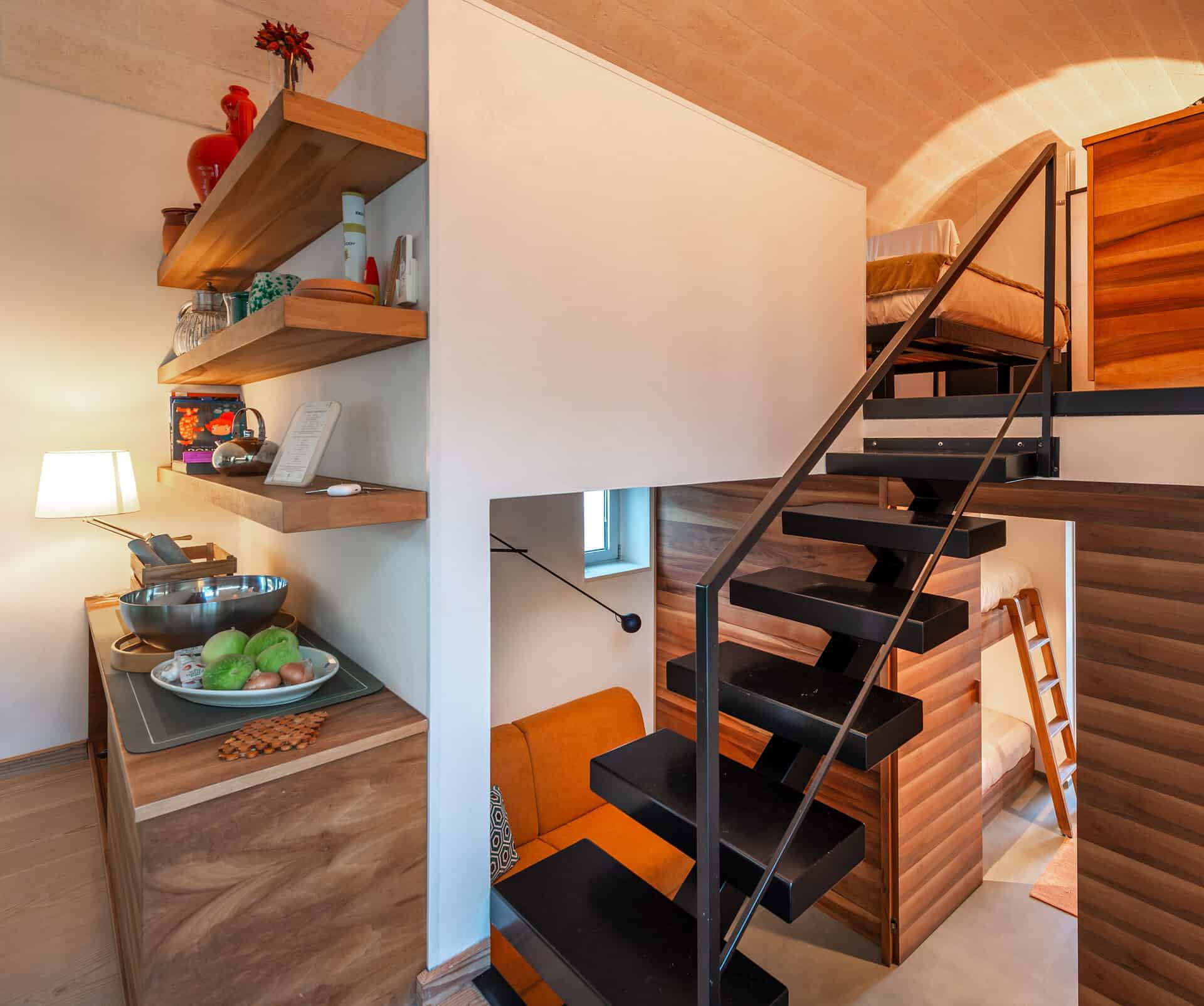
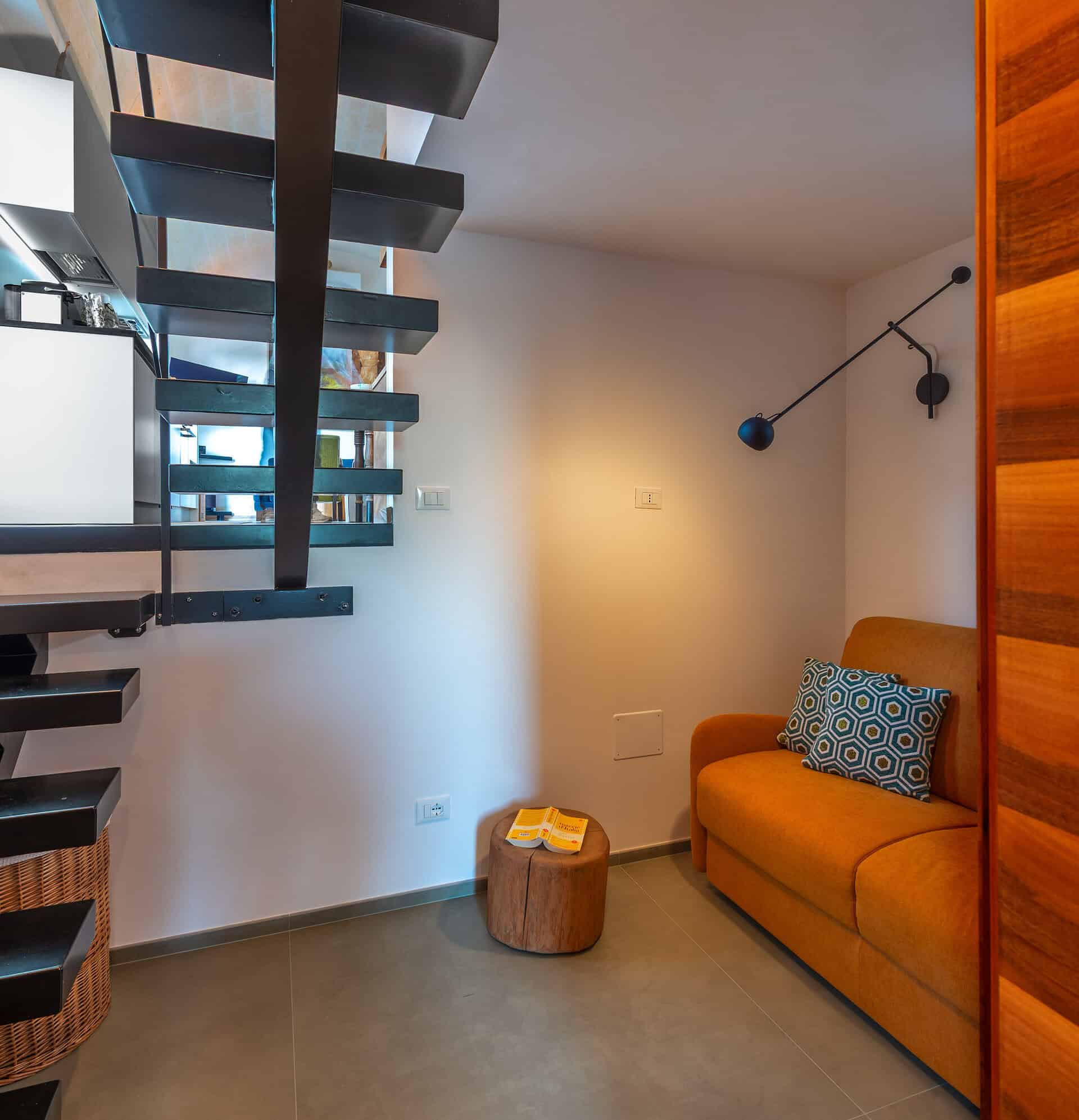
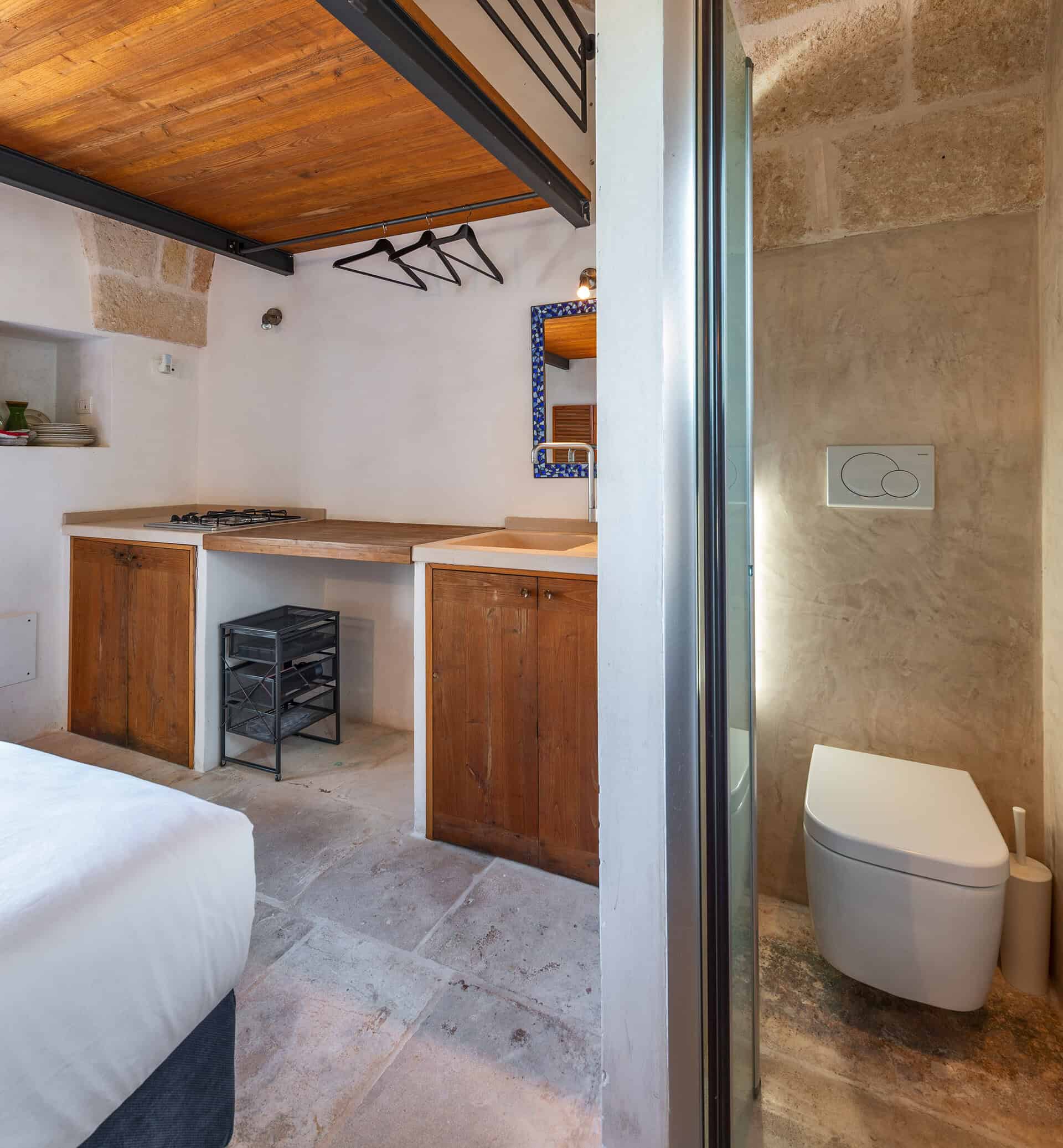
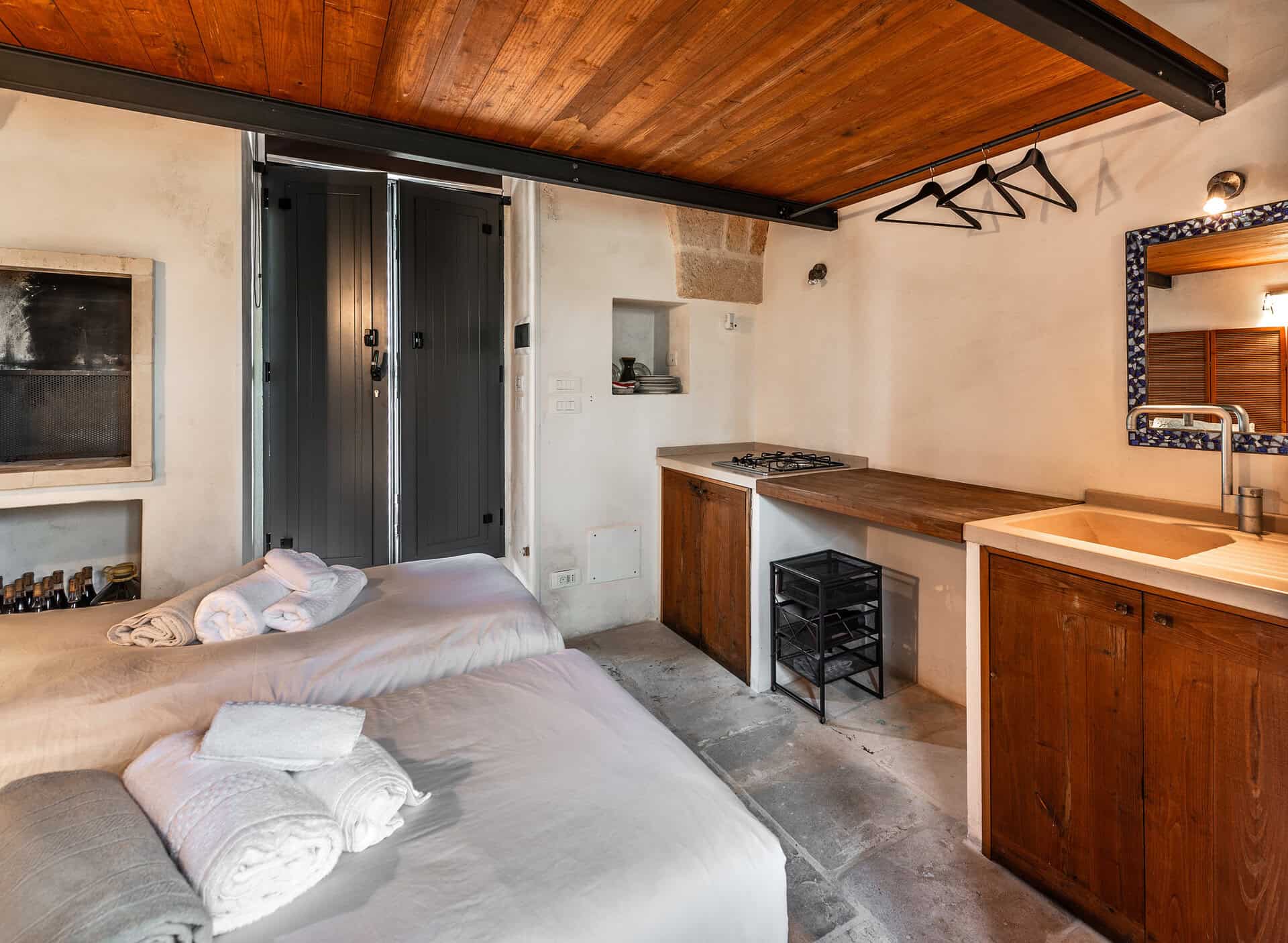
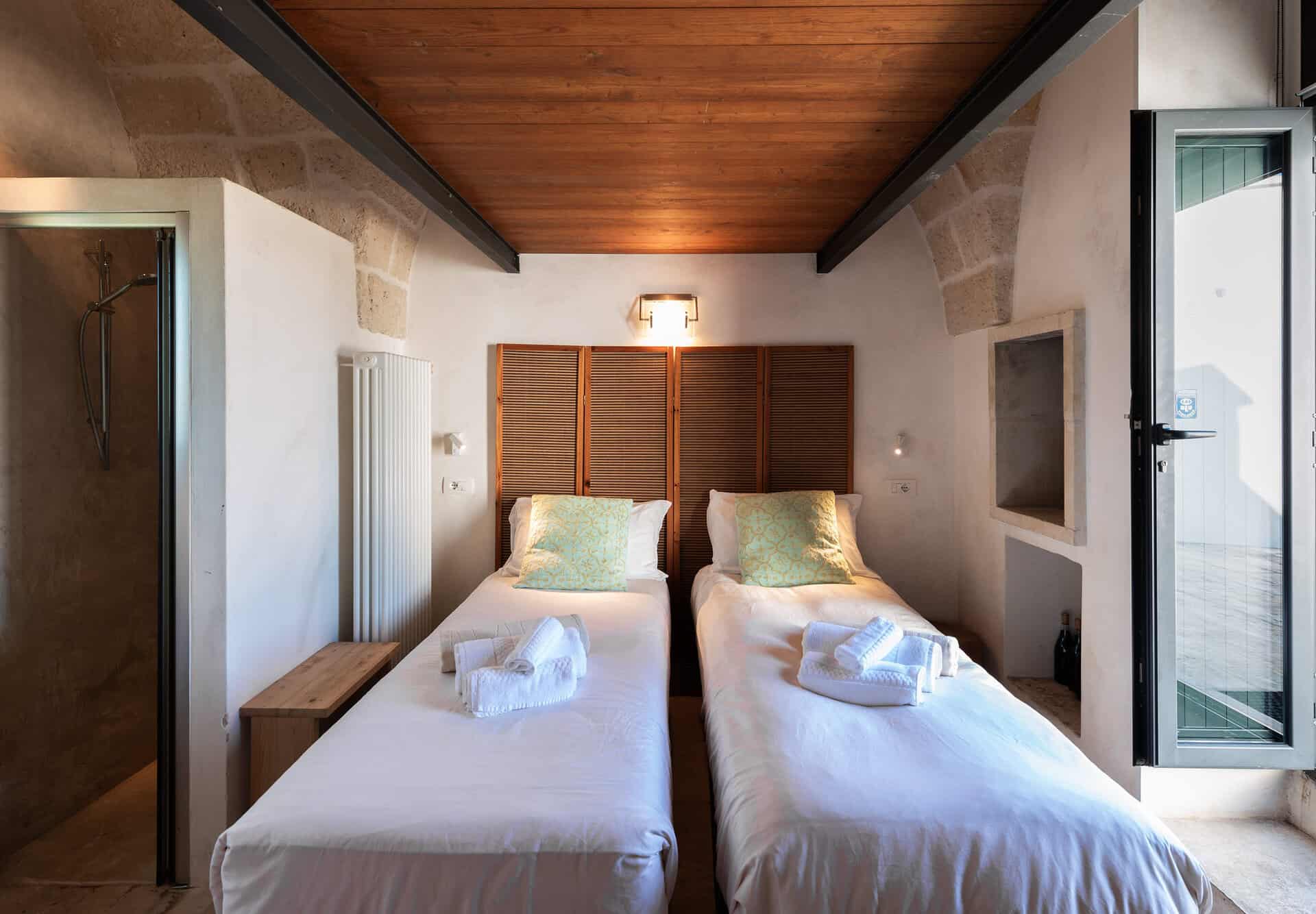
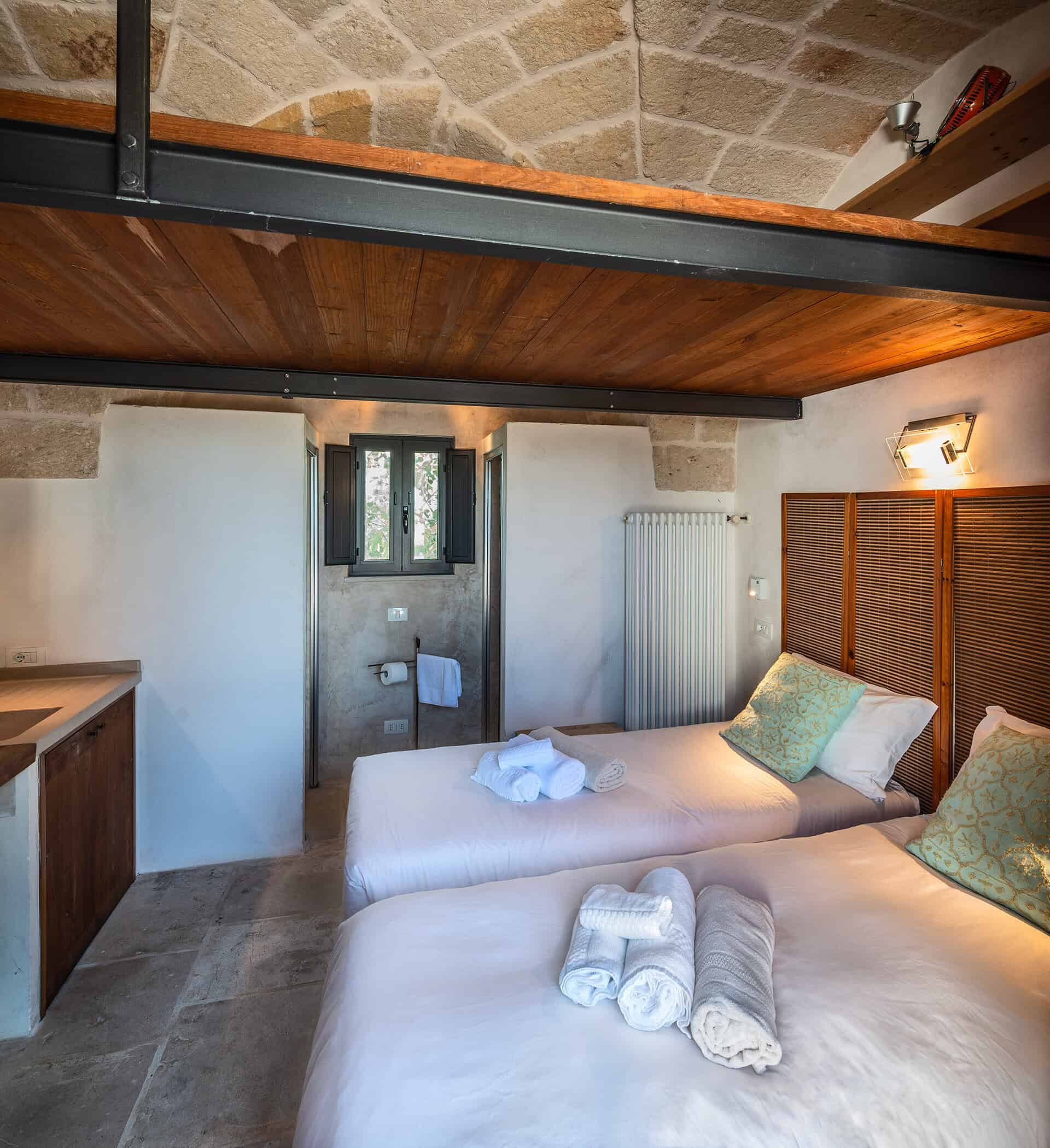
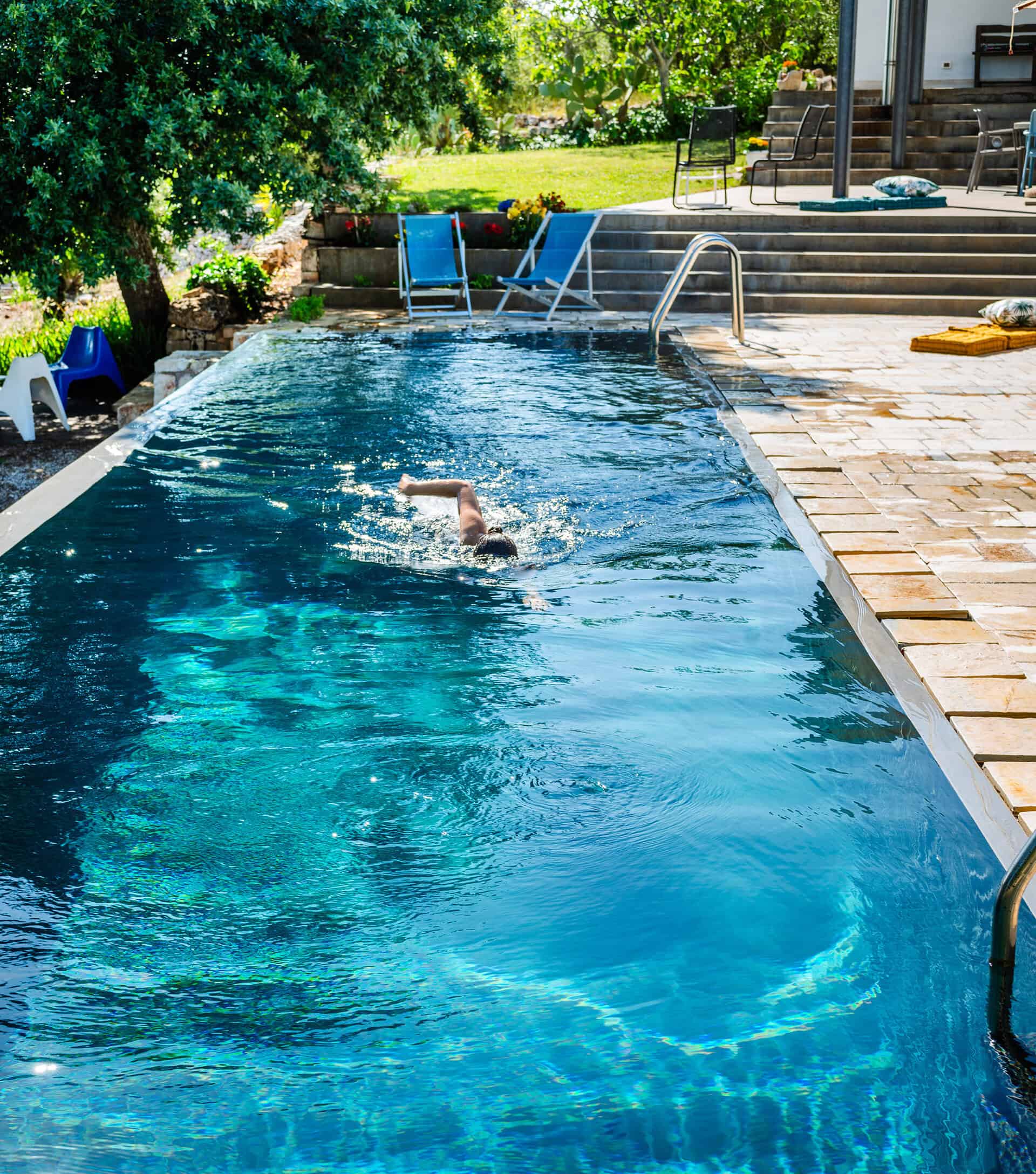
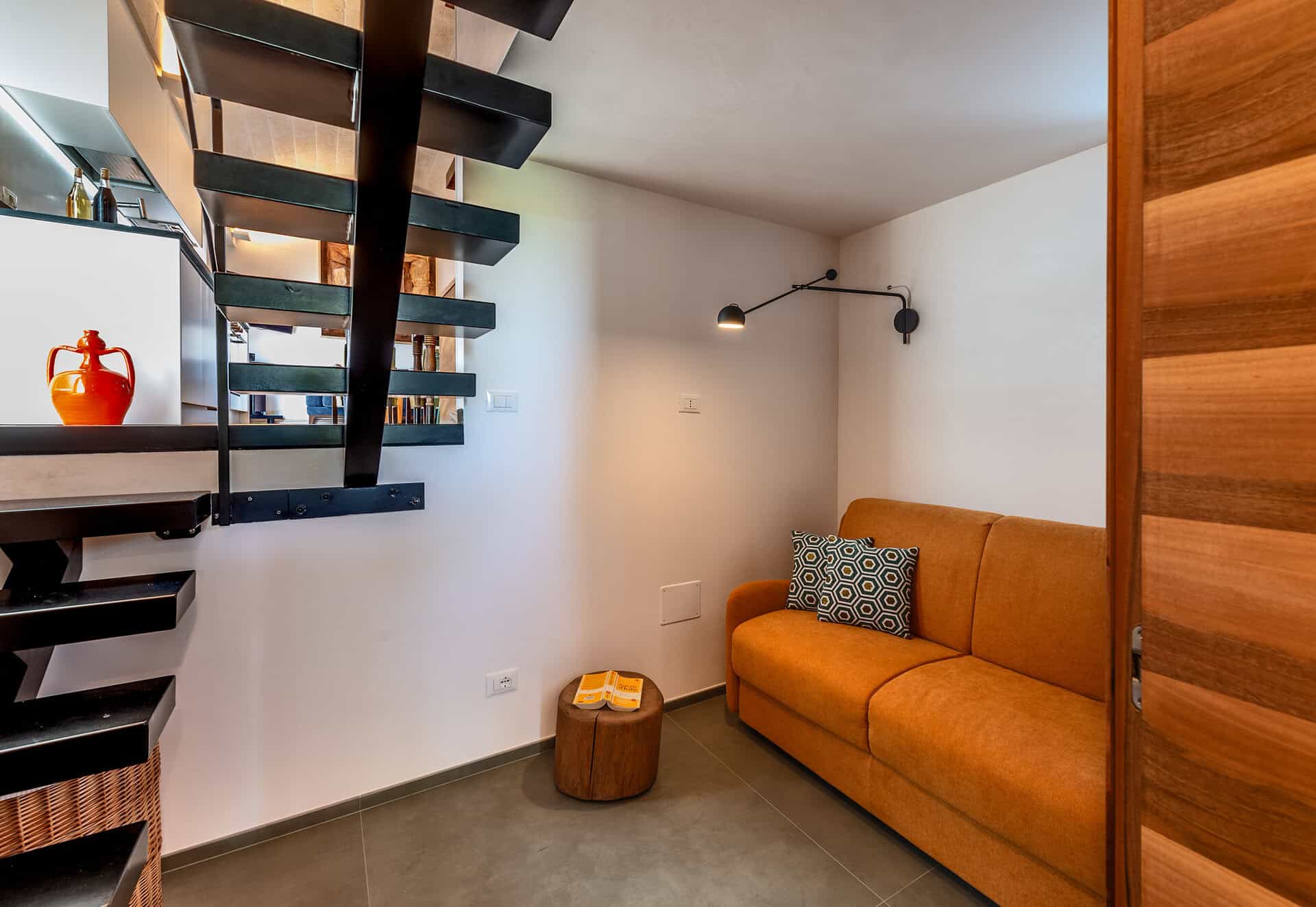
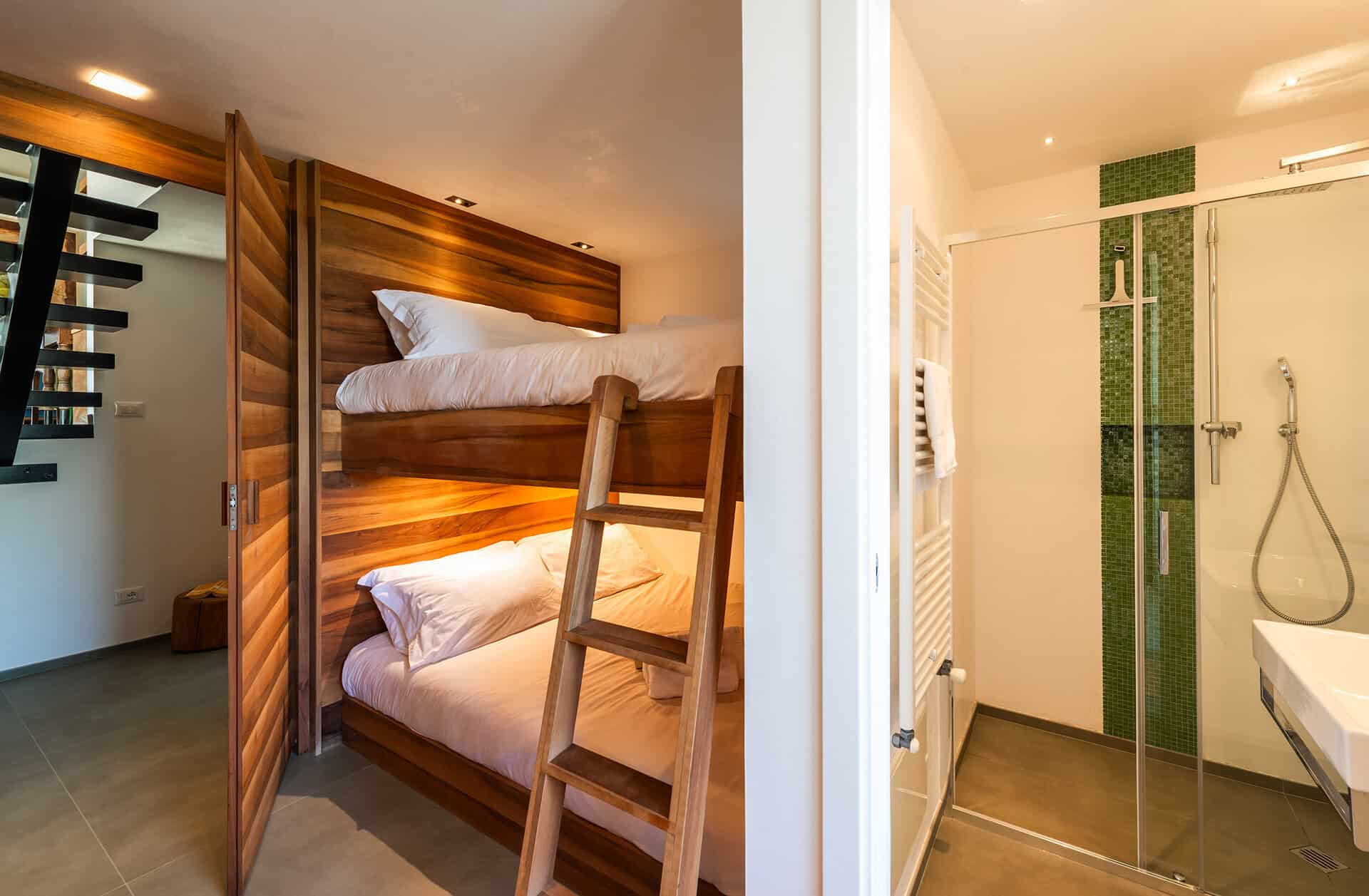
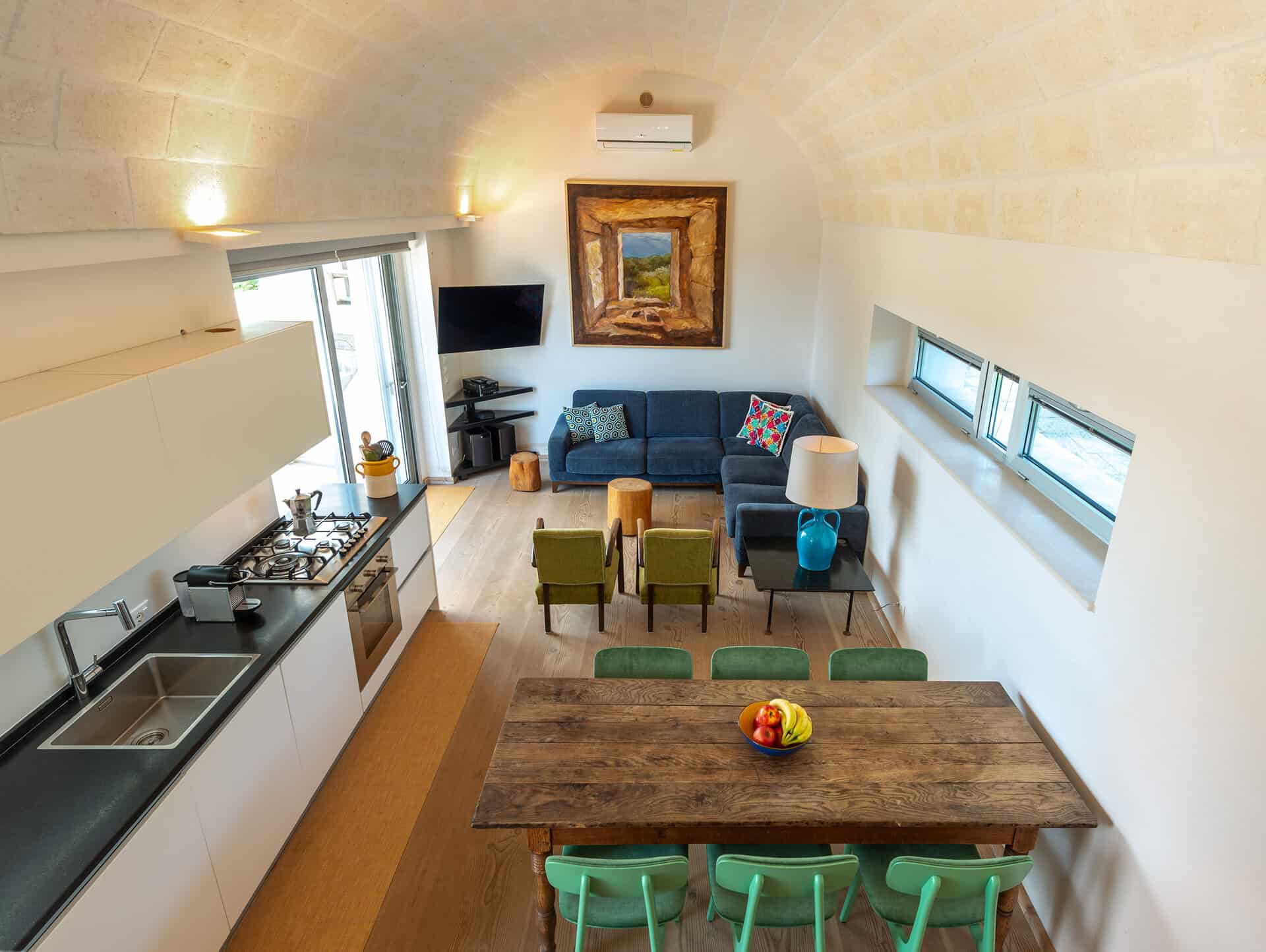
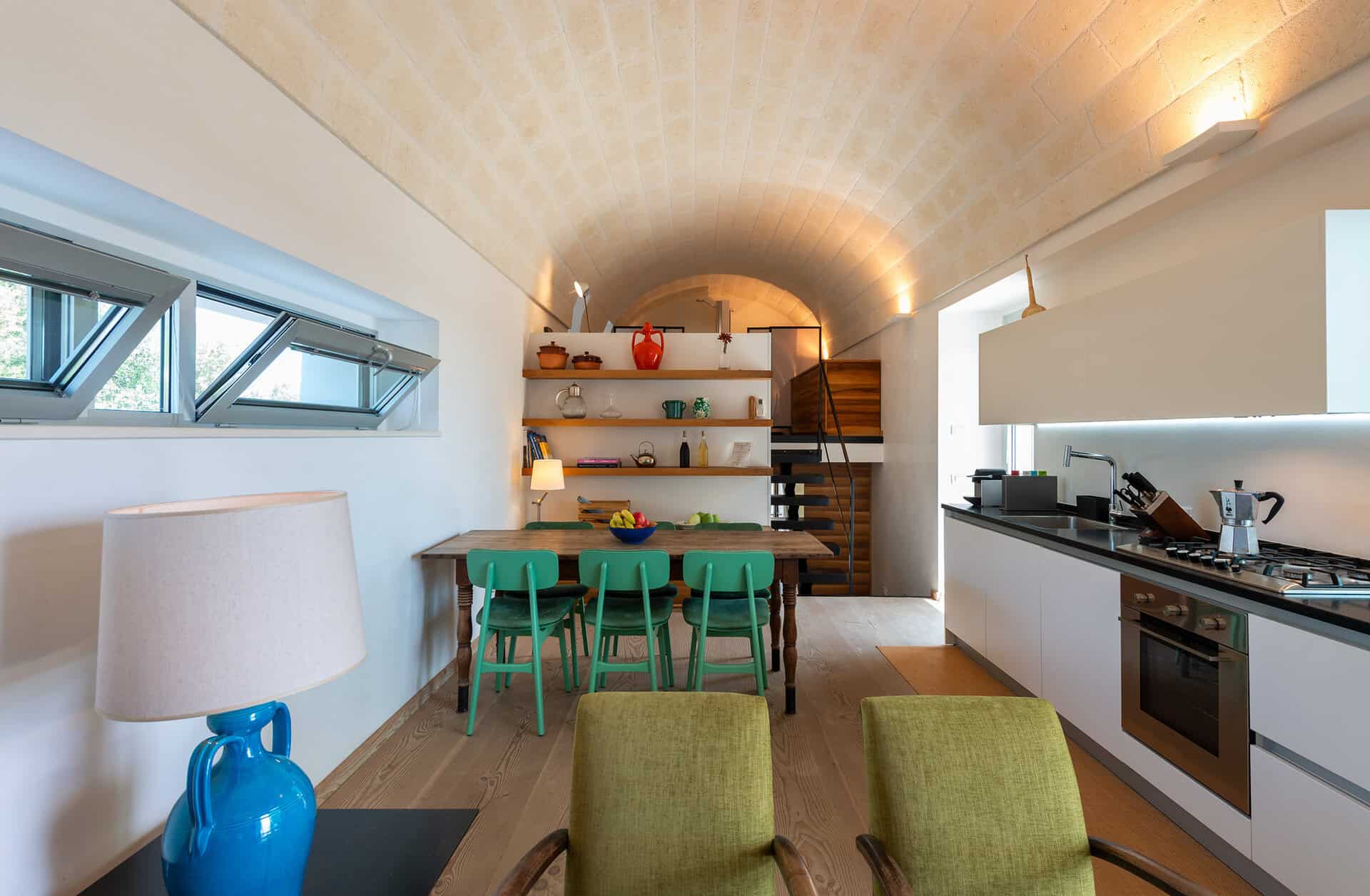
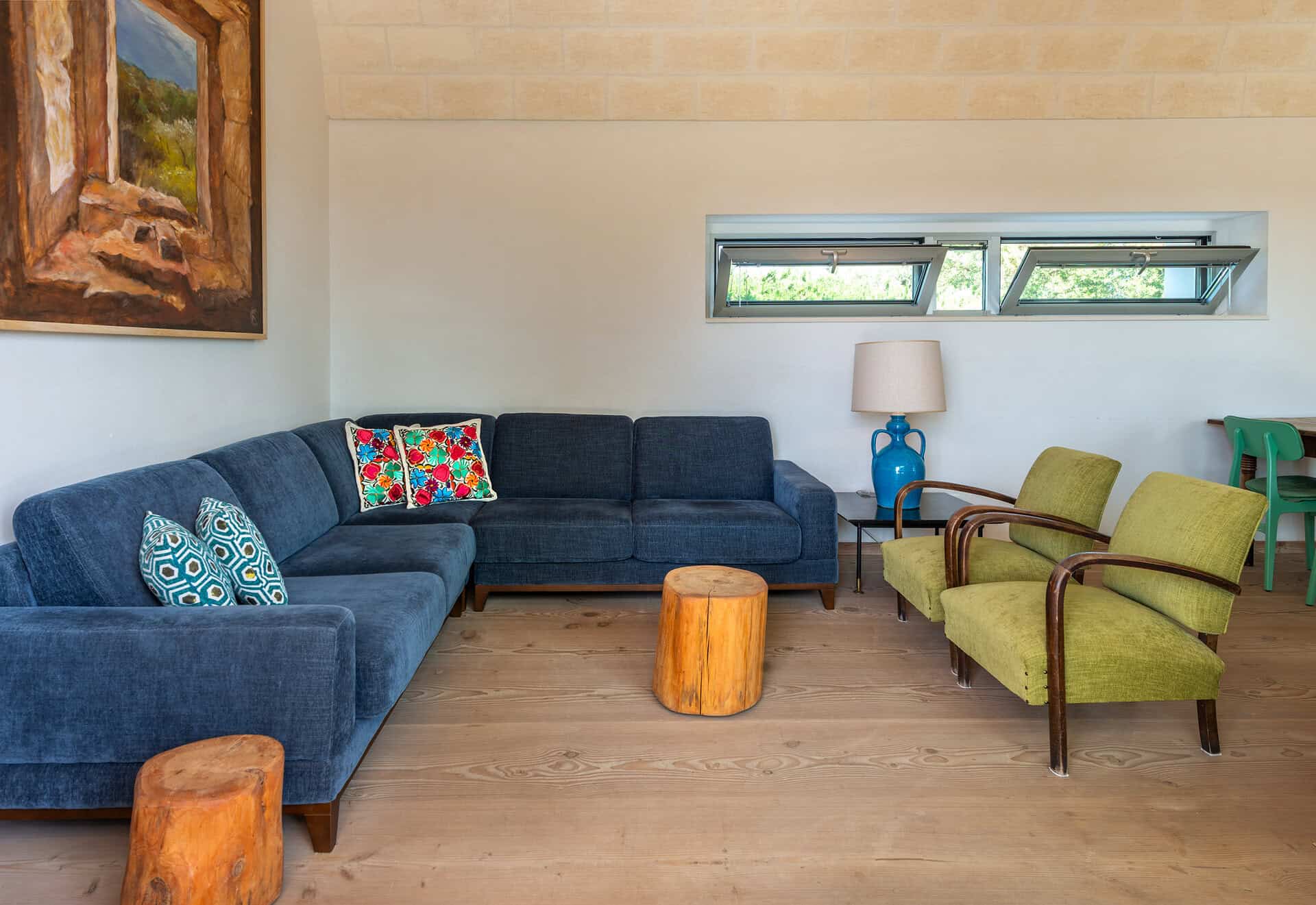
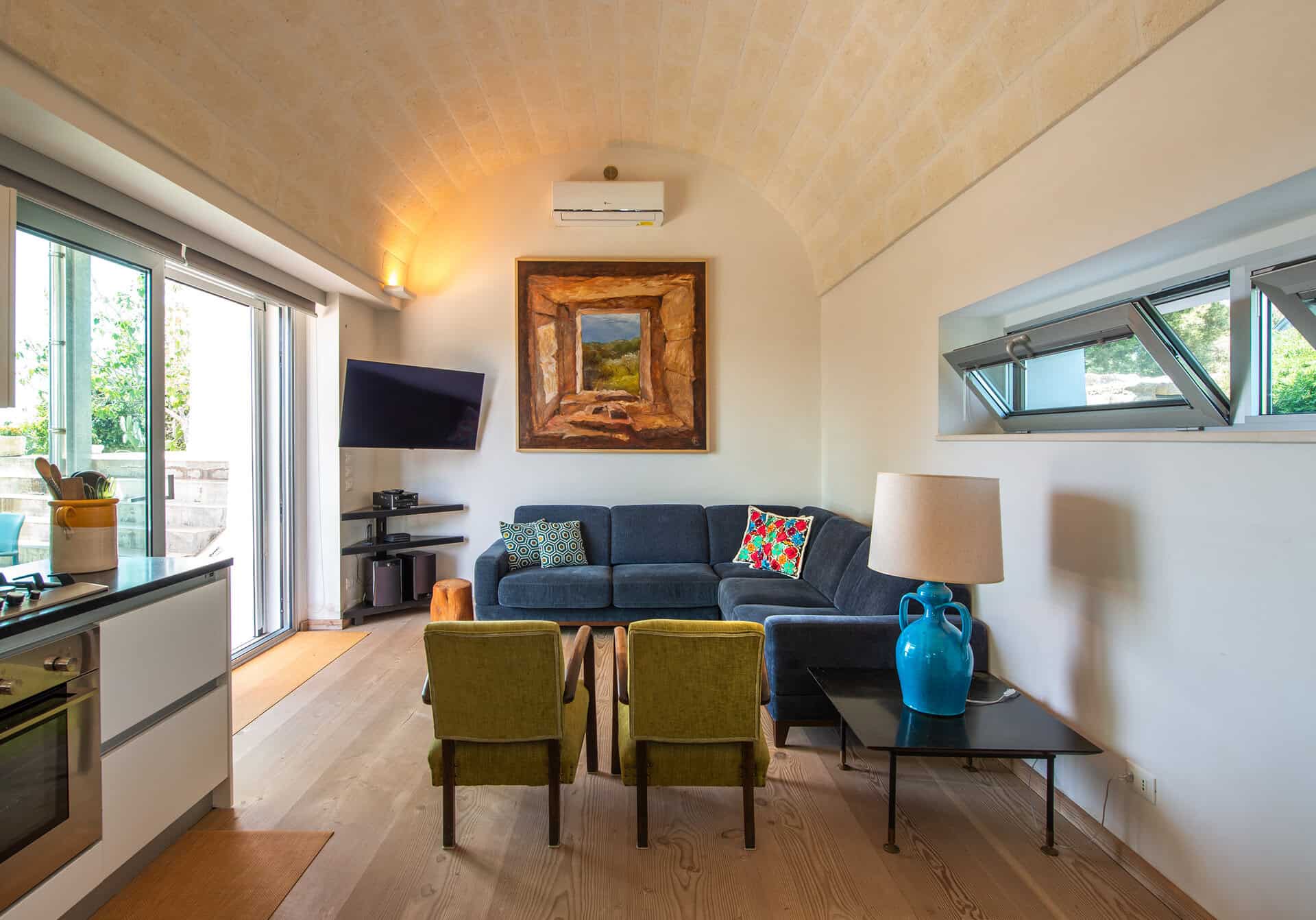
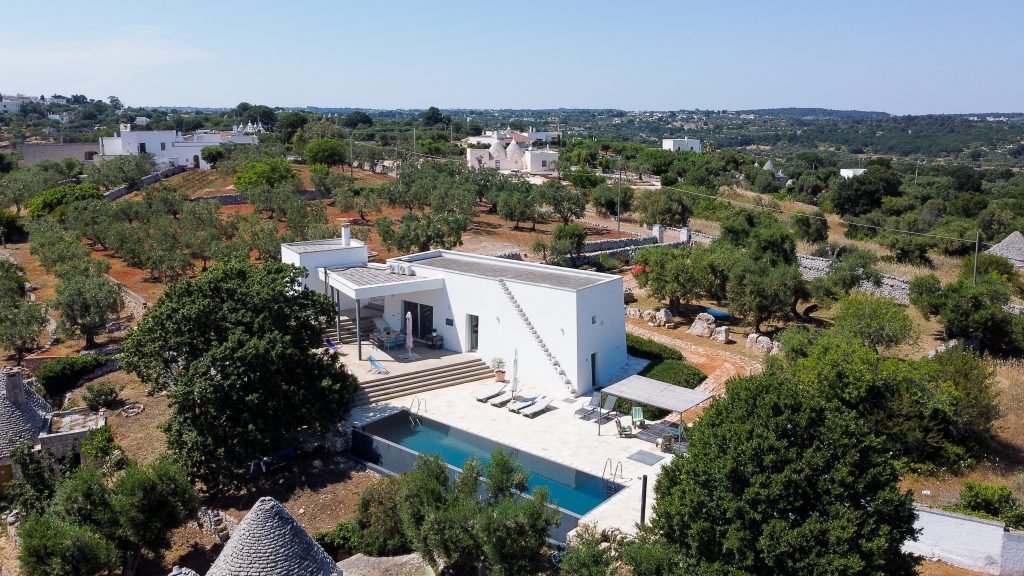
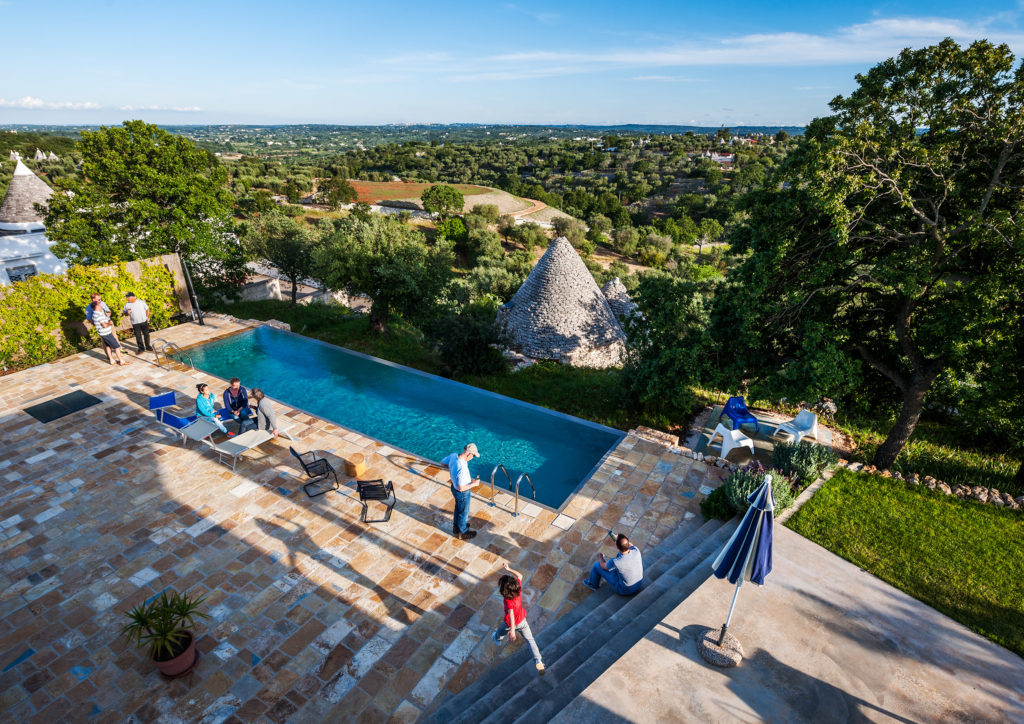
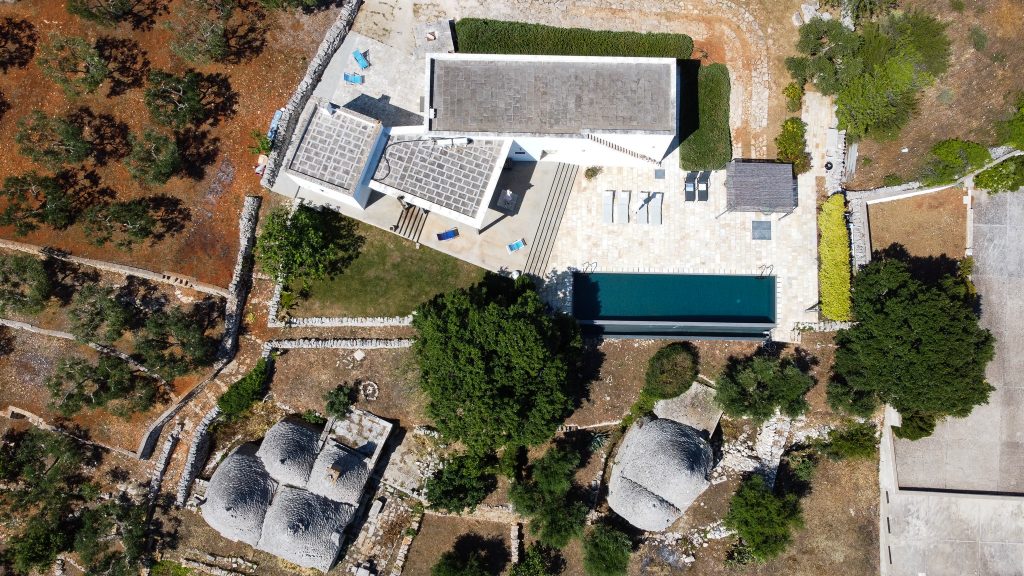
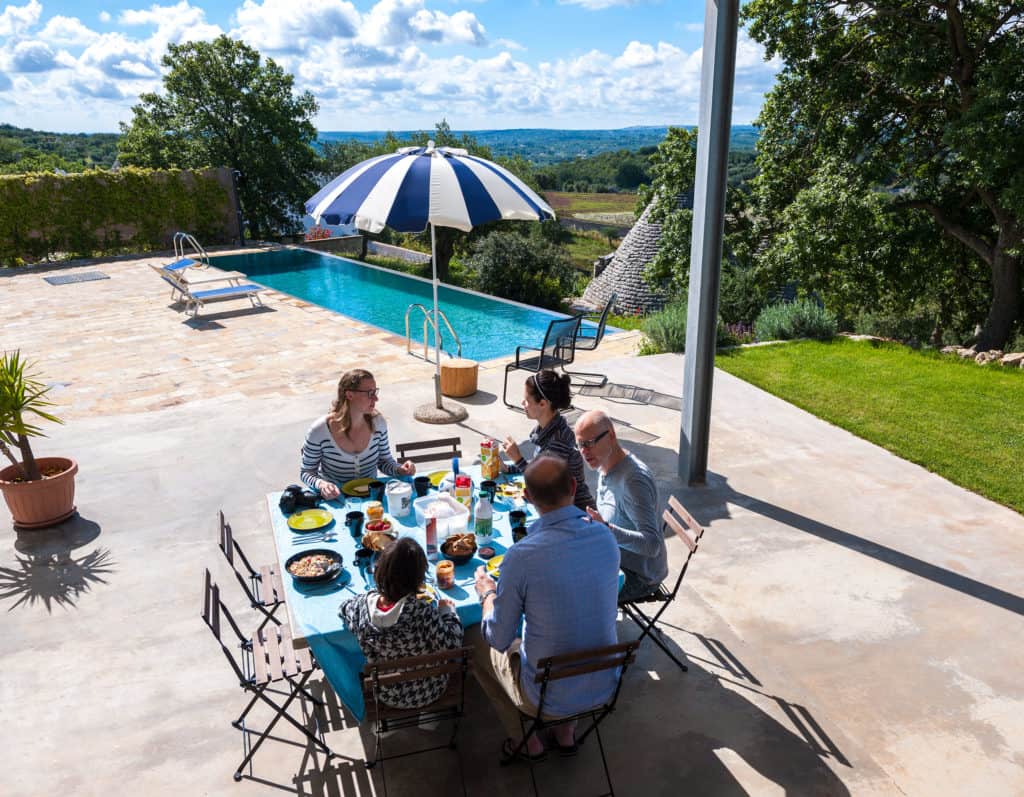
Villa Apulia was designed with this in mind. Our villa blends sharp, modern lines with traditional Puglian materials in a way that respects the countryside around it. Large glass openings frame the hills and olive trees, while stone walls and shaded terraces echo the quiet strength of old farmhouses. A private pool, generous indoor and outdoor spaces, and quiet bedrooms give families and groups the comfort they expect from a high‑end stay.
From our gate, guests can:
- Reach Ostuni, Alberobello, Cisternino, and Martina Franca in short drives
- Spend a day at the Adriatic or Ionian beaches
- Visit wineries and olive mills that still follow long‑held methods
We use our personal ties to the area to help guests find those small, real moments that define what Puglia is known for: a neighbor who presses his own oil, a trattoria where the grandmother still stirs the sauce, a winemaker who explains each glass with quiet pride. In this way, Villa Apulia becomes not only a place to sleep, but a calm, private starting point for living Puglia’s soul day by day.
Conclusion
When we bring these 12 treasures together in our minds, they form a single, clear image of what Puglia is known for. Trulli, castles, white cities, forests, and sea, all linked by olive trees, wine, and the kind of food that feels both simple and deeply satisfying. Culture here is not something staged for visitors. It is simply how people live.
In a world where many places feel busy and polished, Puglia offers something rarer: a sense of authenticity that is easy to feel and hard to forget. Ancient stone sits beside bold modern architecture, fishermen moor their boats below chic beach bars, and local festivals still matter as much to residents as they impress guests. The region’s charm lies in this balance of grace and simplicity.
“The world is a book, and those who do not travel read only one page.”
— Saint Augustine
We believe the best way to feel what Puglia is known for is to stay in a place that respects this balance. Villa Apulia was created with that purpose, giving travelers a private, elegant home that stays connected to the valley and its people. We would be honored to welcome those who wish to slow down, breathe the scent of olive trees after sunset, and discover for themselves why Puglia so often feels like the true soul of Italy.
FAQs
What Is Puglia Best Known For?
Puglia is best known for its conical trulli houses, world‑class olive oil, honest cucina povera, and long, beautiful coasts on two seas. The region includes UNESCO World Heritage Sites such as Alberobello’s trulli and Castel del Monte. Many travelers also mention its white hill towns and warm, family‑run food culture when they describe what Puglia is known for, along with the relaxed, authentic feeling that sets it apart from more crowded Italian regions.
What Makes Puglia Different From Other Italian Regions?
Puglia stands out through its strong architectural identity, from storybook trulli to the rich Baroque facades of Lecce. It enjoys the rare advantage of coastlines on both the Adriatic and Ionian Seas, giving a wide range of beaches and seascenes. Agricultural richness, especially olive oil and wine, shapes daily life. Compared with areas like Tuscany or the Amalfi Coast, Puglia feels less crowded and more grounded in local tradition, which is a key part of what Puglia is known for among repeat visitors.
When Is The Best Time To Visit Puglia?
The best times to visit Puglia are late spring and early summer, from April to June, and early autumn, from September to October. During these months the weather is pleasant, the sea begins or remains warm, and places are calmer than in high summer. July and August suit those who love busy beaches and nightlife, especially during events such as La Notte della Taranta. Winter is quieter, with fewer beach options, but architecture, food, and wine still show clearly what Puglia is known for all year round.
How Many Days Do You Need To Explore Puglia?
To explore the main treasures that explain what Puglia is known for, we suggest at least seven to ten days. With a central base in the Valle d’Itria, near towns such as Ostuni or Cisternino, it is easy to plan day trips to Alberobello, Lecce, Bari, Castel del Monte, and both coasts. A week allows a taste of each area, while a longer stay gives time for winery visits, market days, and slow afternoons by the pool. Villa Apulia is designed with extended stays in mind, so guests can settle in and explore at a relaxed pace.
Is Puglia Worth Visiting?
Yes, Puglia is absolutely worth visiting, especially for travelers seeking real Italian life rather than only famous postcards. It offers excellent value compared with more talked‑about regions, yet the quality of food, wine, and scenery is outstanding. Within a single stay, guests can enjoy architecture, beaches, countryside, and deep culinary traditions. For many of our guests at Villa Apulia, discovering what Puglia is known for feels less like ticking off sights and more like finding a second home they want to return to.
Where Should I Stay In Puglia To See The Main Attractions?
For most travelers, the Valle d’Itria is the smartest place to stay when trying to experience what Puglia is known for in a complete way. From this central area, it is easy to reach Ostuni, Alberobello, Martina Franca, and the coasts on both the Adriatic and Ionian sides. The countryside is calm and green, yet none of the key sights are far. Villa Apulia sits right in this valley, combining thoughtful modern design, privacy, and strong local connections, which gives guests a comfortable base and a natural link to the many treasures around them.